
Ex-School Machinery now in stock
What’s New at Newmac This Week
A solid run of arrivals through the workshop this week — here’s what’s just landed.
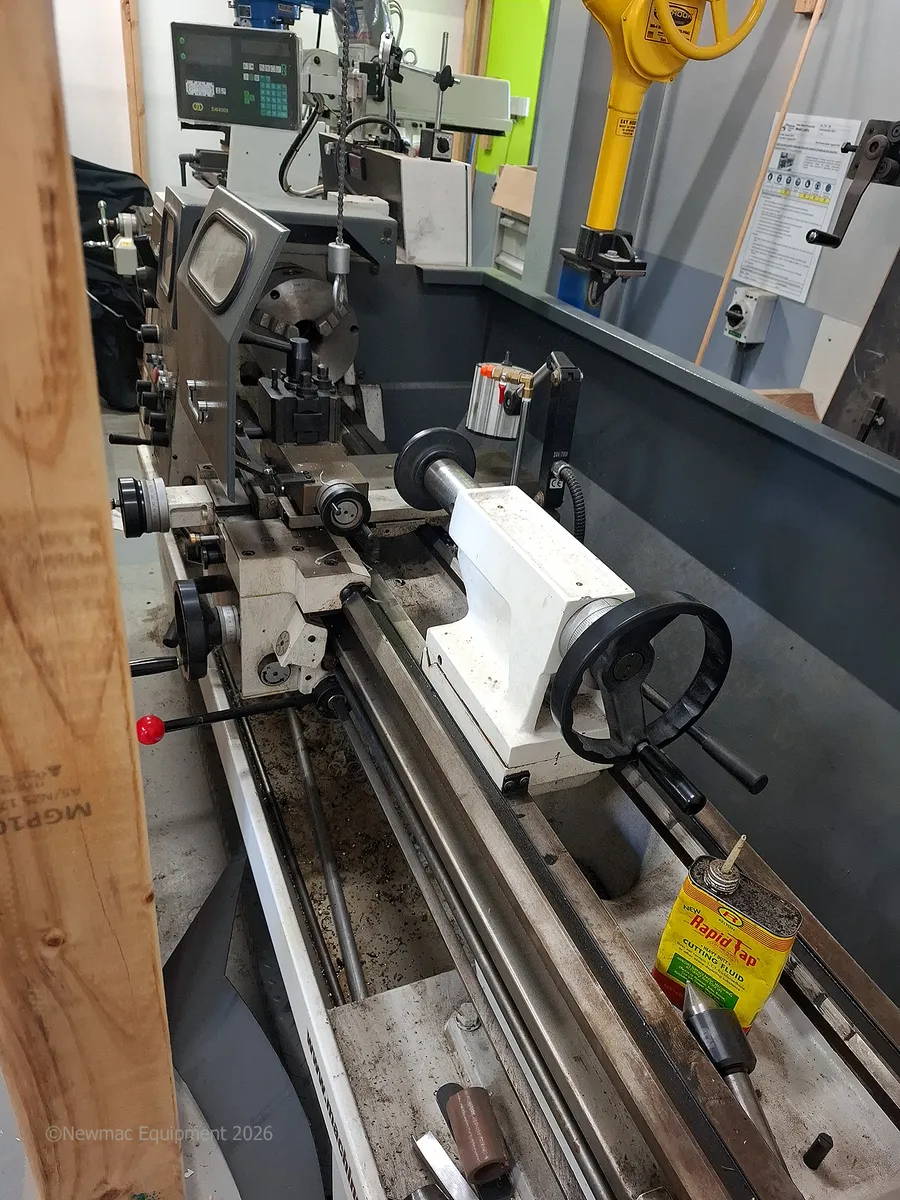
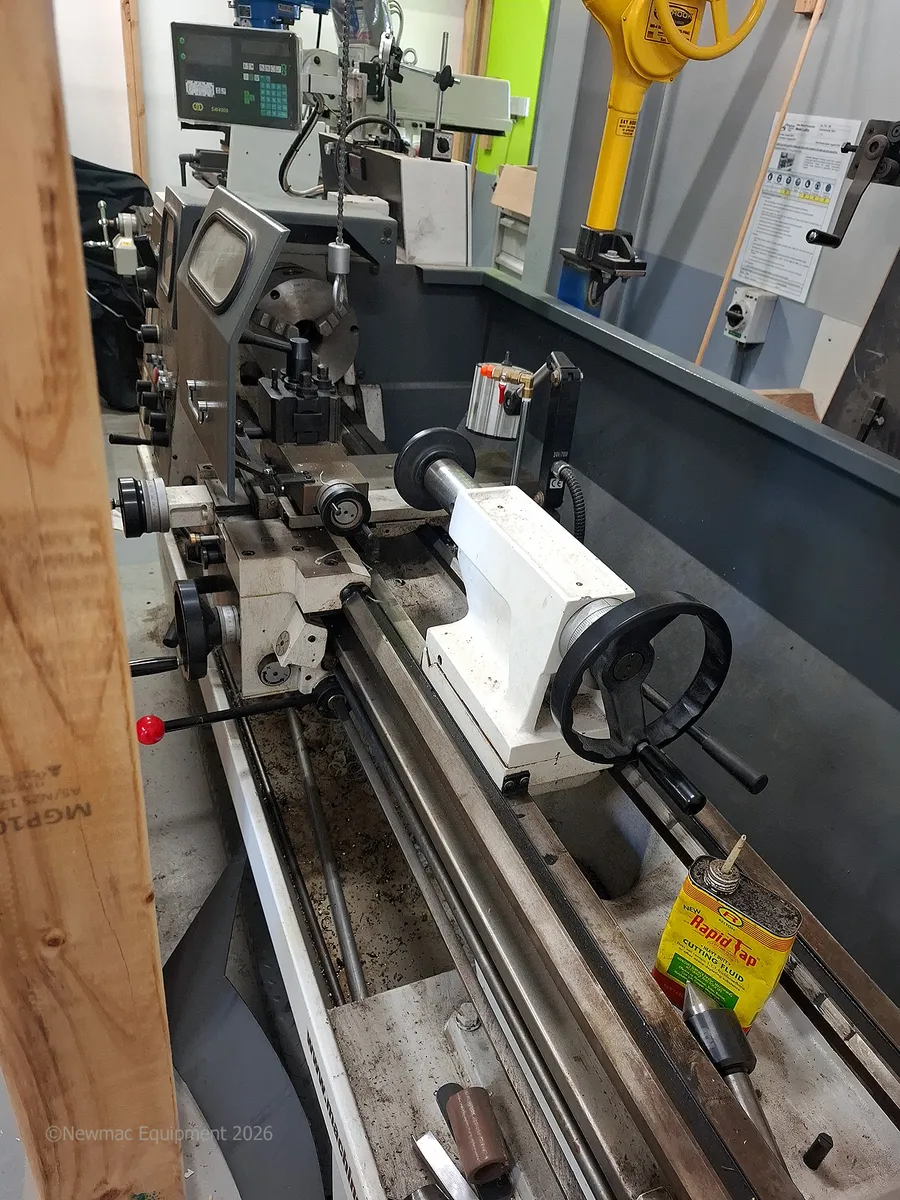
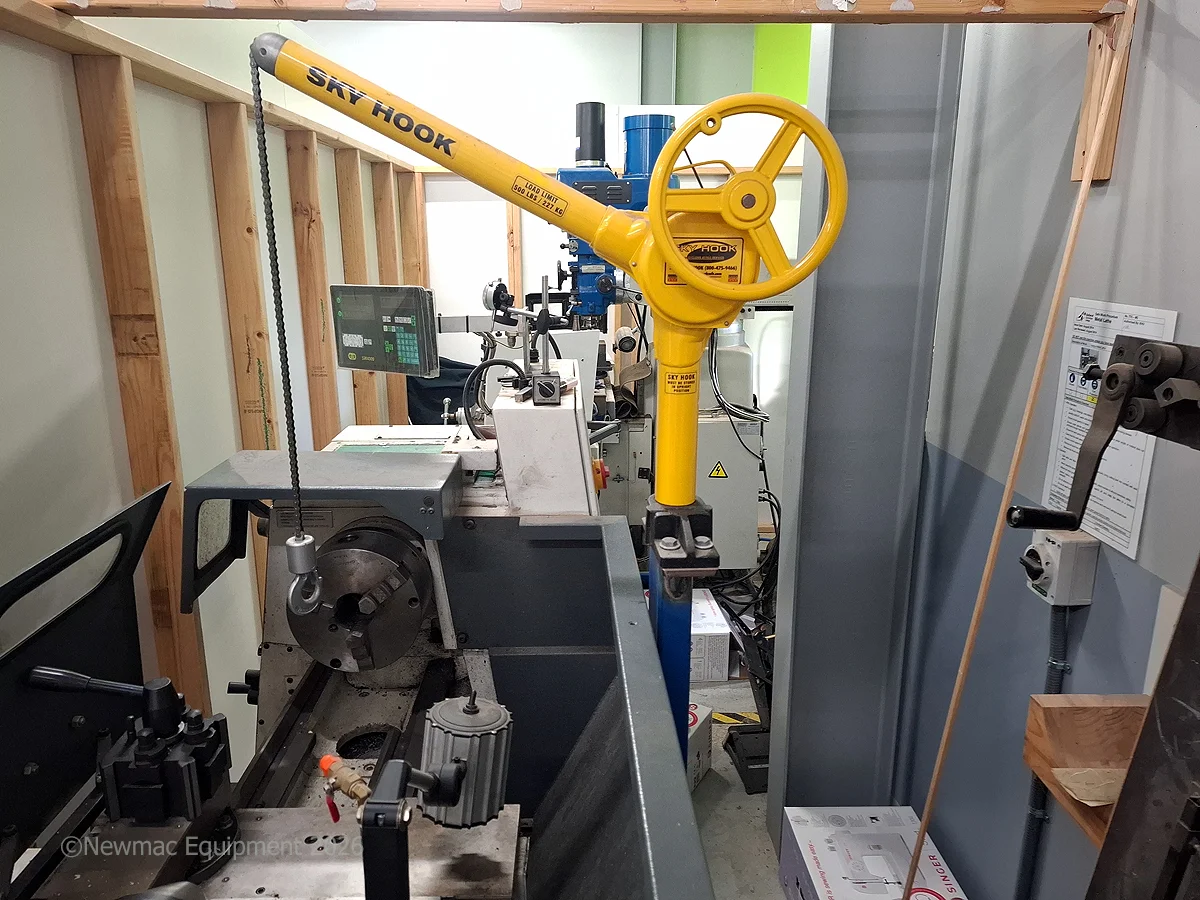
DASHIN CHAMPION 2500VS Centre Lathe – Ex-education department, Taiwanese-built variable speed lathe by Jesco. Fitted with a Carmar SW4000 two-axis DRO, quick change toolpost, and CSS (constant surface speed) function. 1250mm between centres, 390mm swing over bed. In good working order, ready to inspect and run in our warehouse.
https://www.newmac.com.au/dashin-champion-2500-centre-lathe/
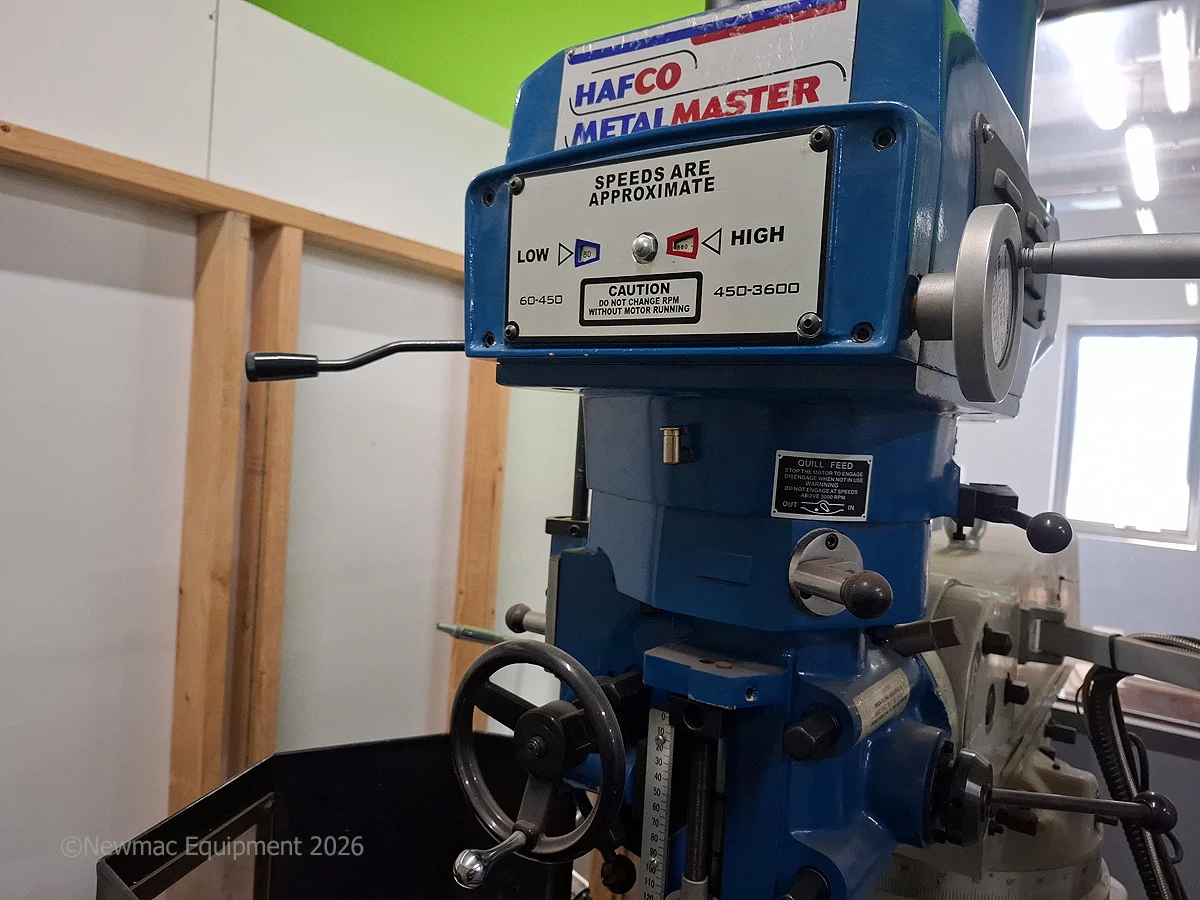
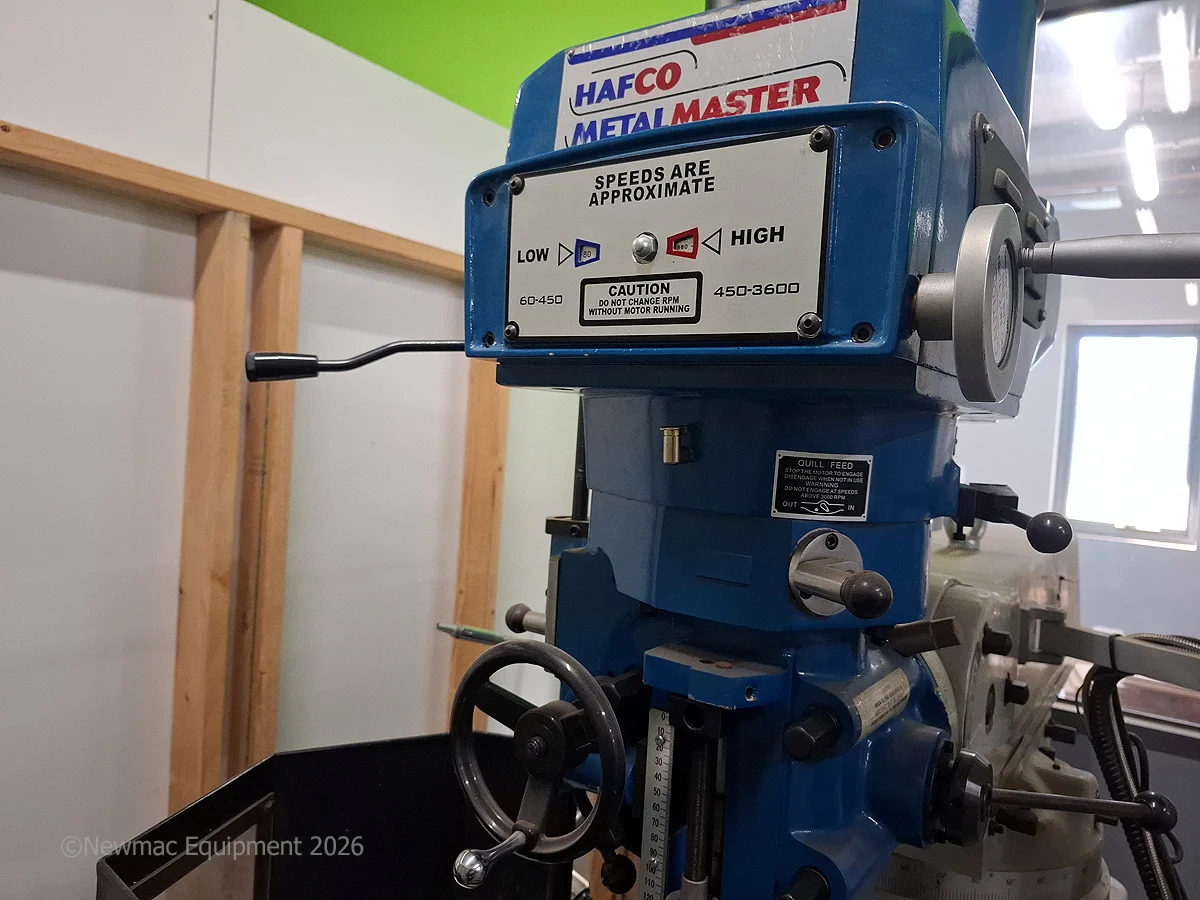
Hafco BM-62VE Turret Milling Machine (SOLD) – Near-new ex-school mill with power feed, DRO and air power drawbar already fitted. This one’s already sold — a good reminder that machines like this move fast, so if you’re after something similar, keep an eye on our website and get in early.
https://www.newmac.com.au/hafco-bm-62ve-turret-milling-machine/
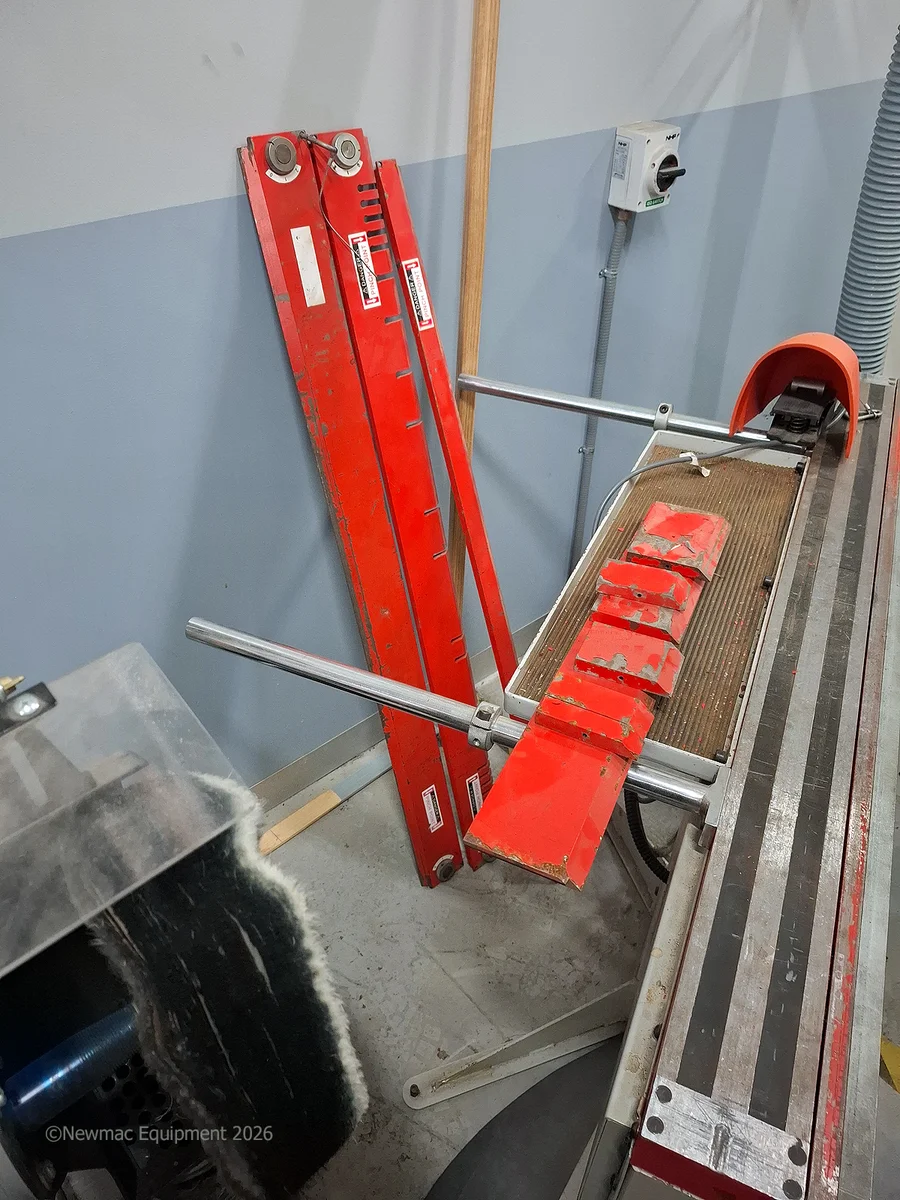
MB-1250 Magnetic Panbrake Folder – Ex-school unit built to the Magnabend design. Electromagnetic clamping means no manual tightening between bends, plus a sliding angle guide and continuous angle readout. Single phase, suited to workshop or home use. 1250mm bending length, 1.6mm mild steel capacity.
https://www.newmac.com.au/mb-1250-magnetic-panbrake-folder/
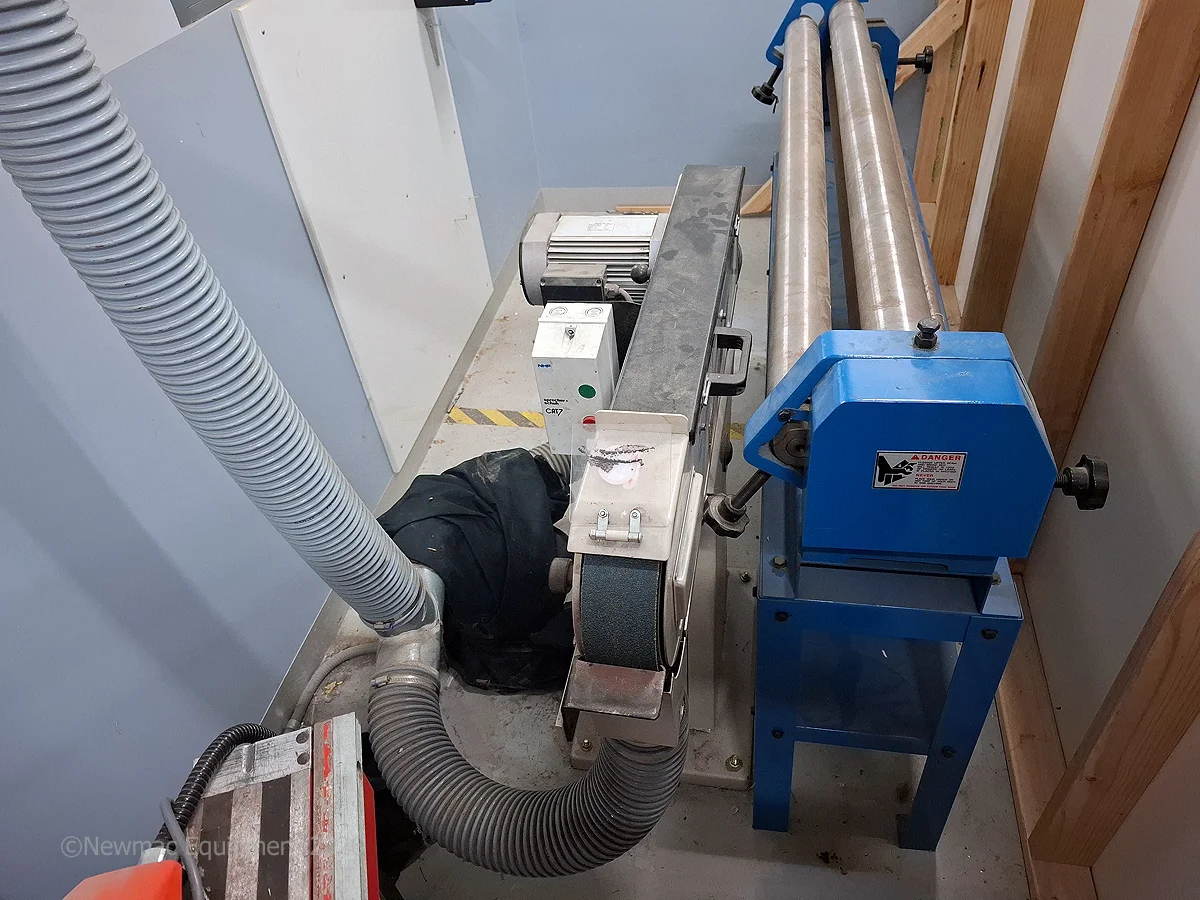
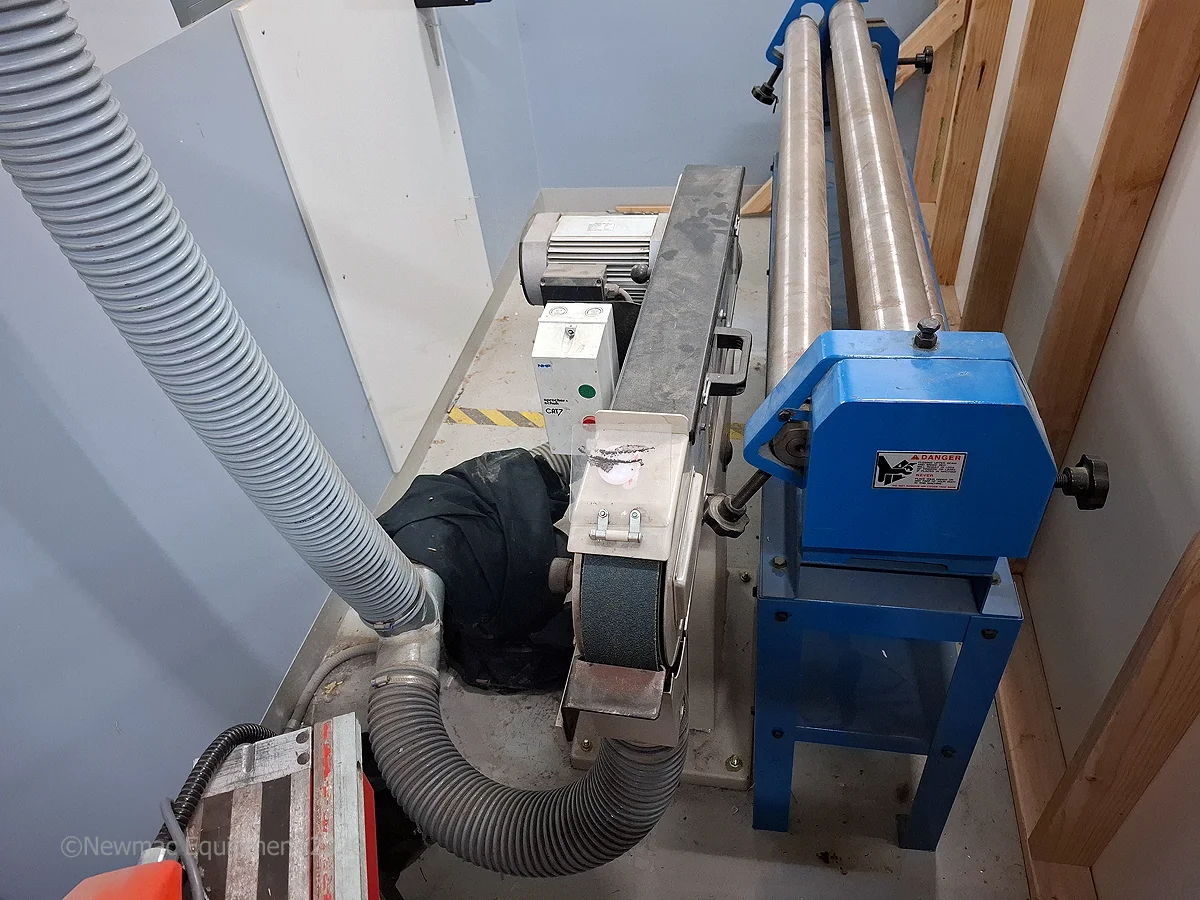
Hafco SRG-50 Manual Sheet Metal Curving Rolls – Near-new curving rolls for rolling curves, cylinders and cones. 1270mm useful length, 1.5mm mild steel capacity, quick action swivel-out top roller. Priced at $950+GST.
https://www.newmac.com.au/hafco-srg-50-manual-sheet-metal-curving-rolls/
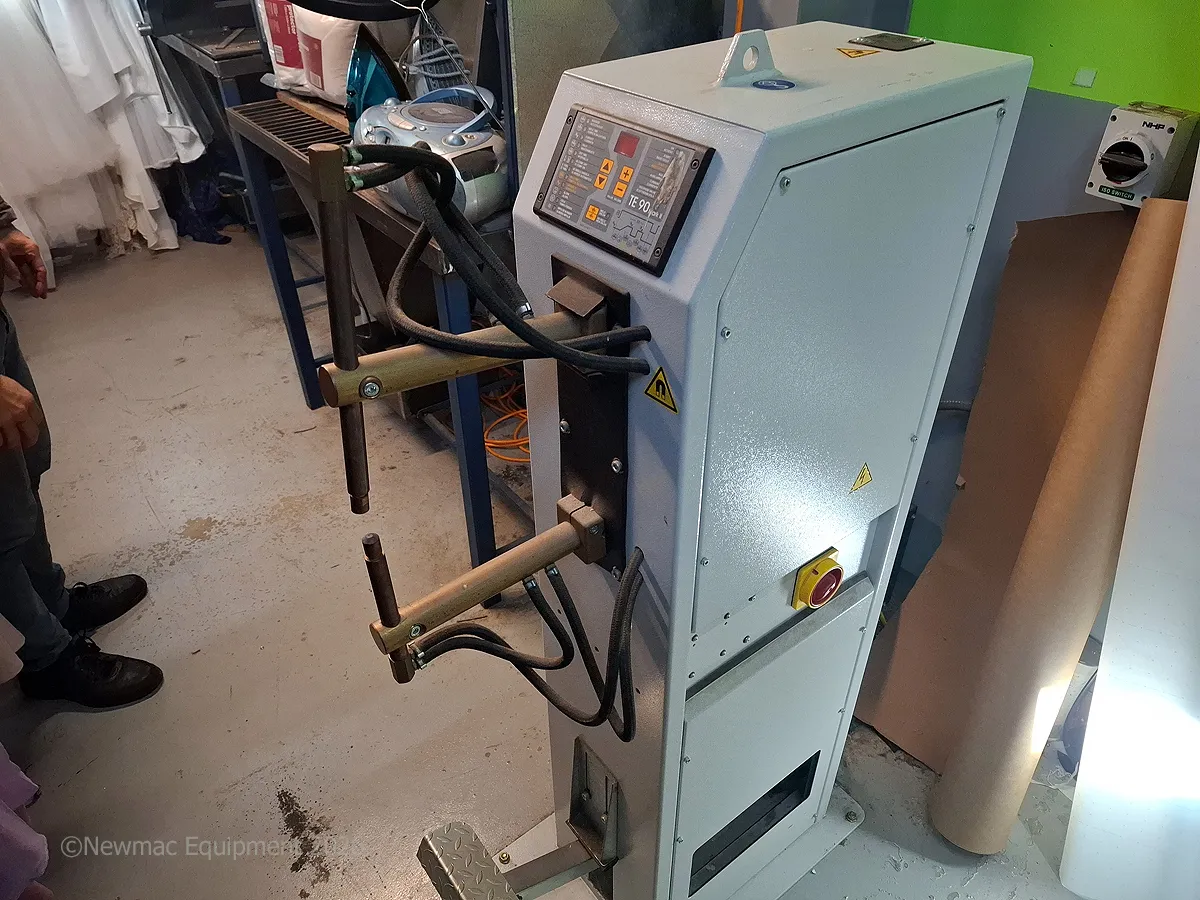
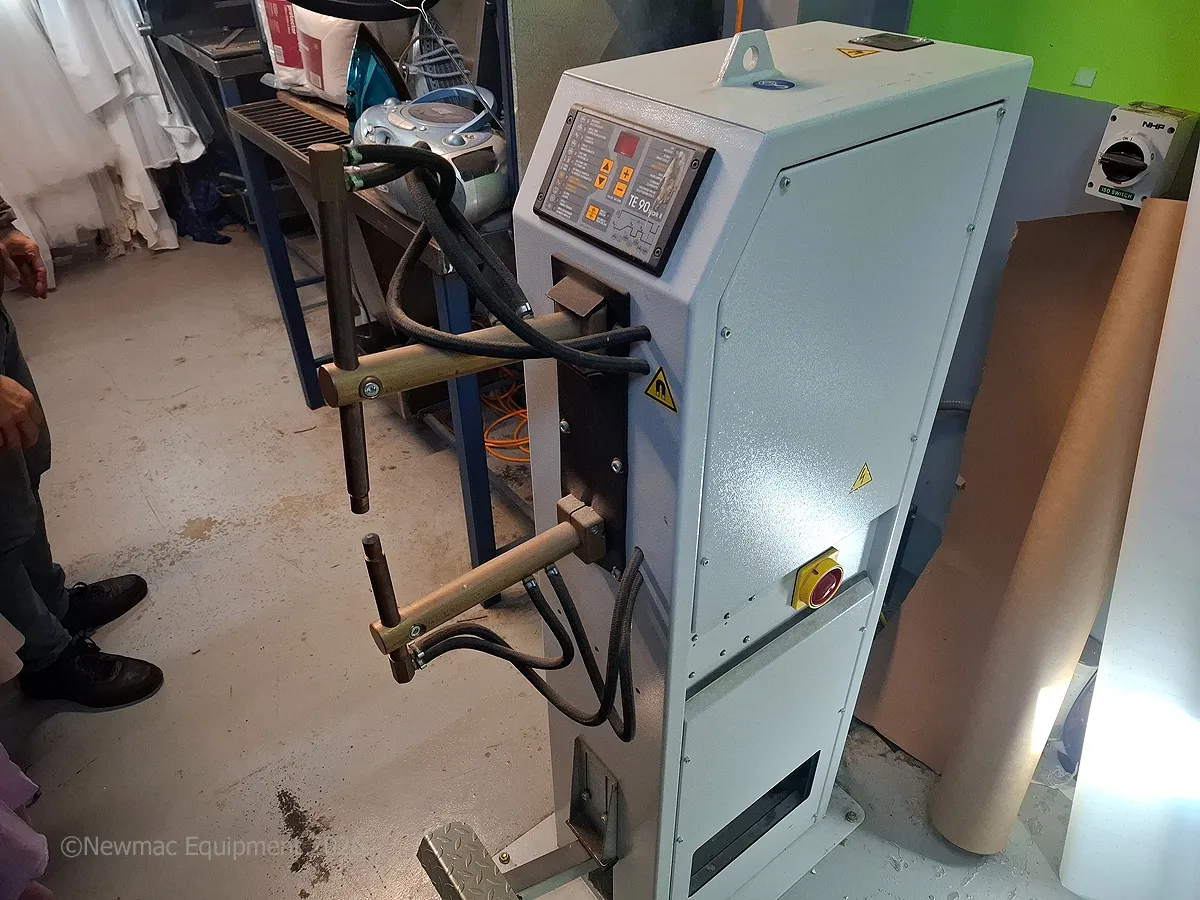
More on the way shortly too — a near-new Tecna TE90 Mark 2 spot welder, a GHD 38A geared head drill, and a CME FU2 universal milling machine are all being prepped for listing.
Near New Ex-School Machinery Arriving Soon
Newmac Equipment has a lot of near new, ex-education department machinery on the way in. This machinery comes from a school workshop and has seen light use, so condition across the board is excellent.
The lot includes:
- Dashin Champion 2500VS lathe, fitted with sky hook lifting arm
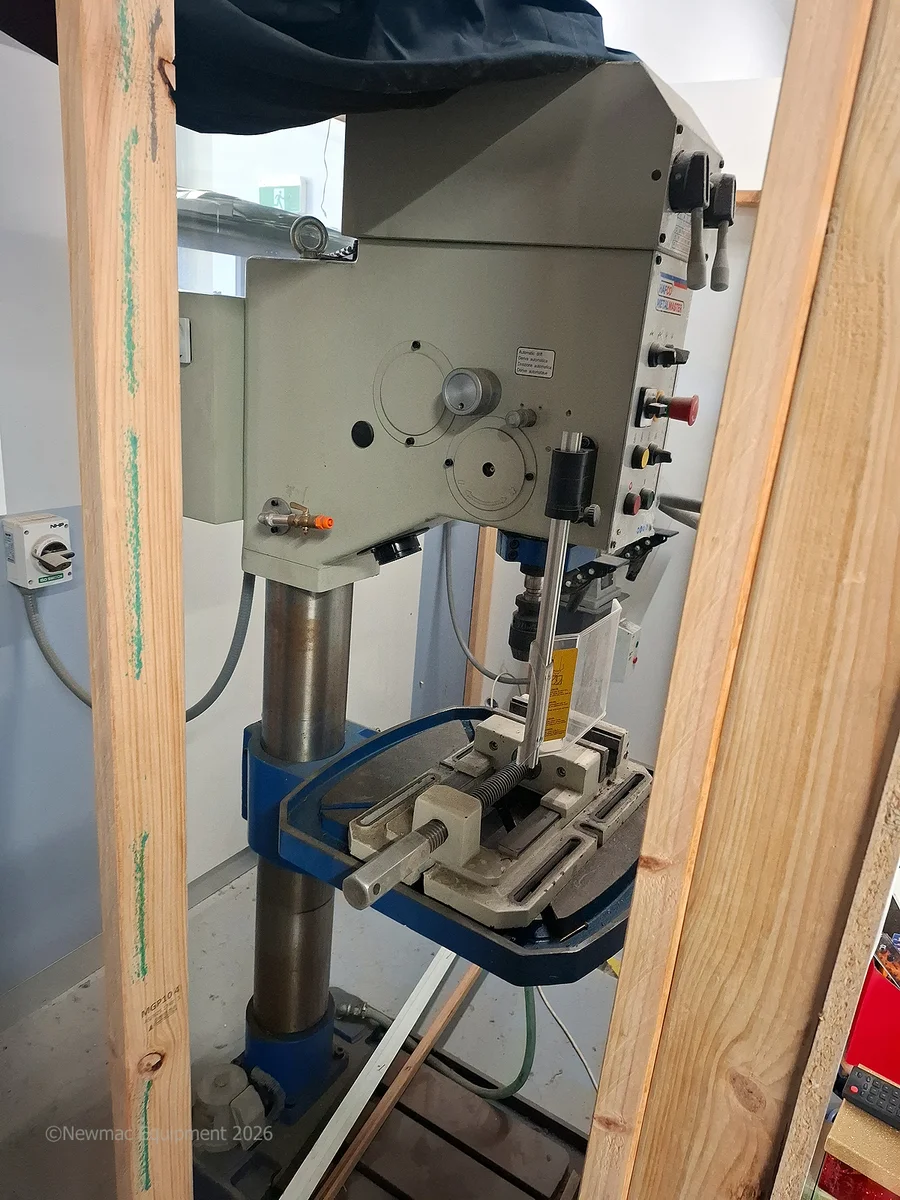
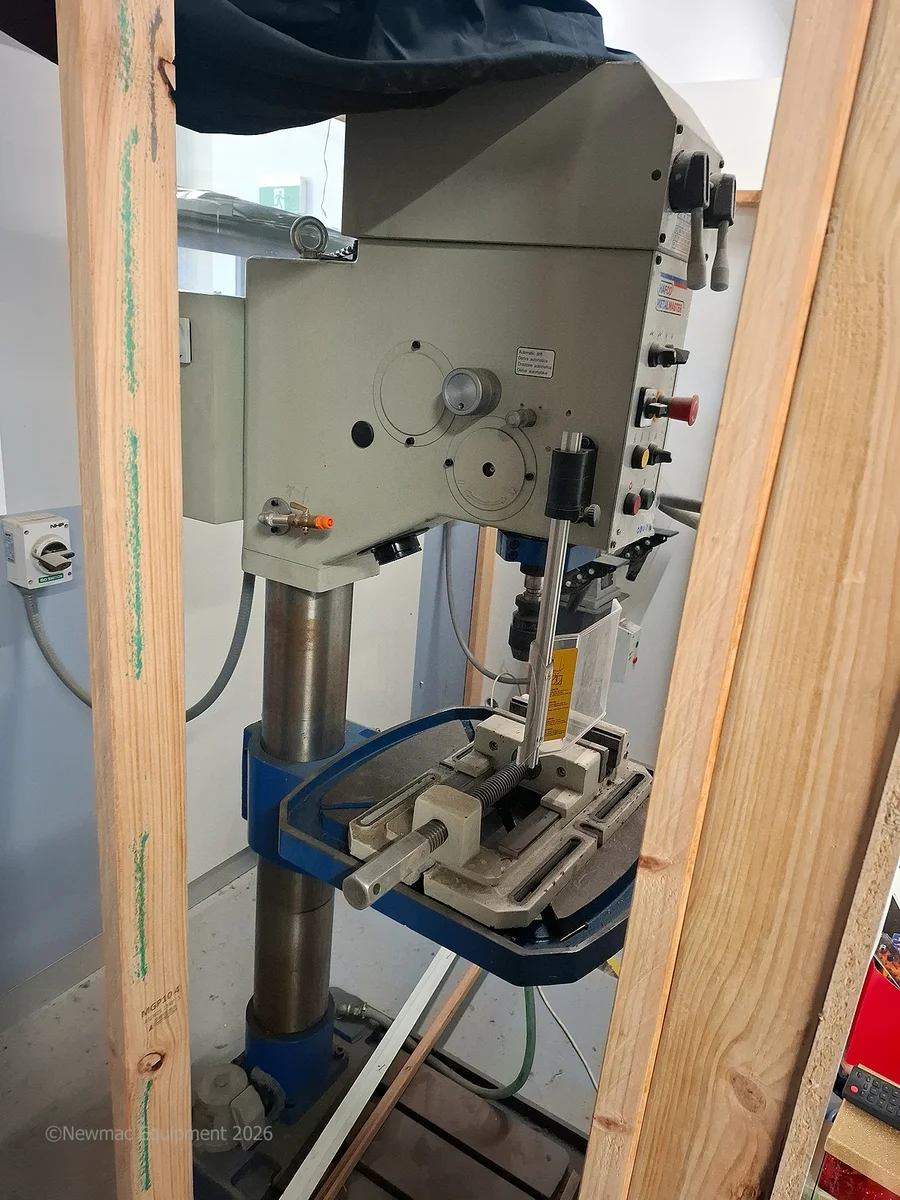
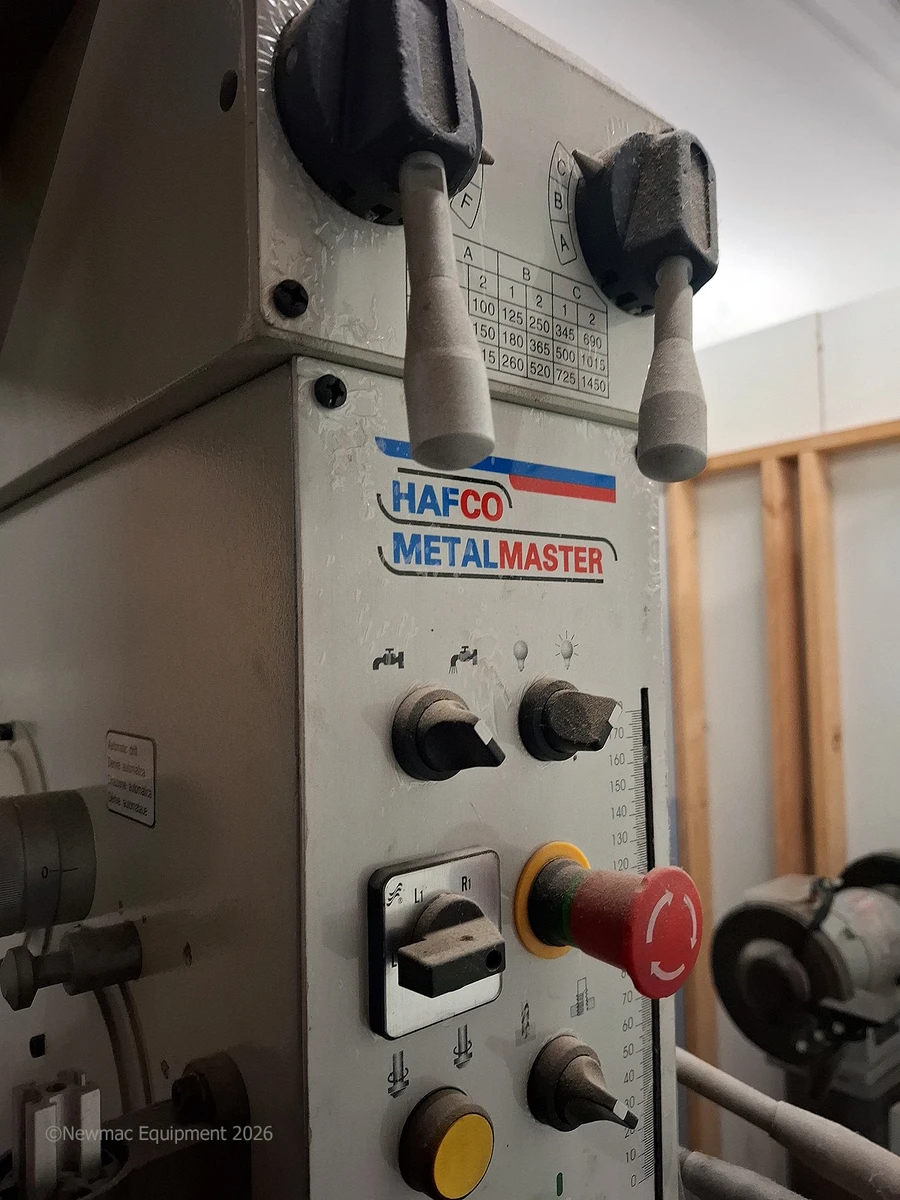
- GHD-38A geared head drill
- Turret milling machine
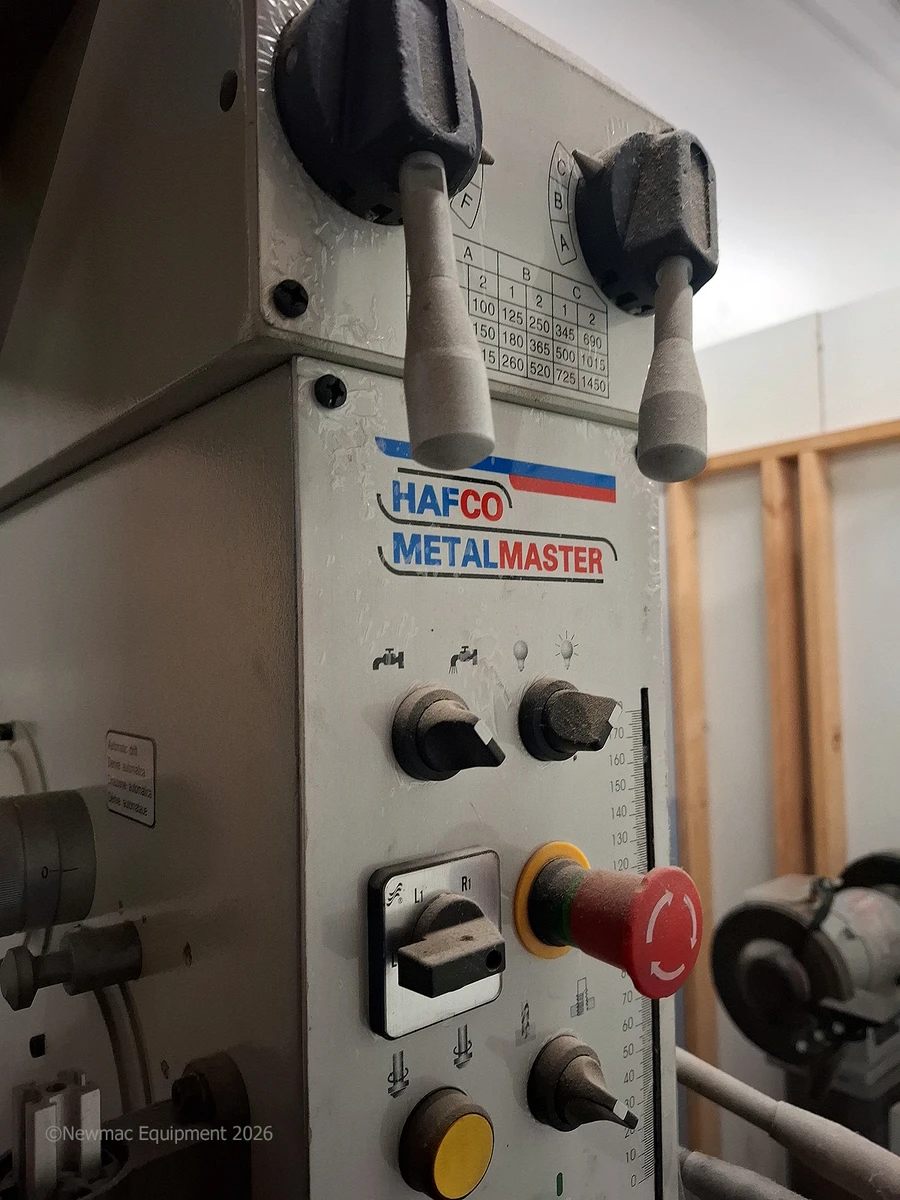
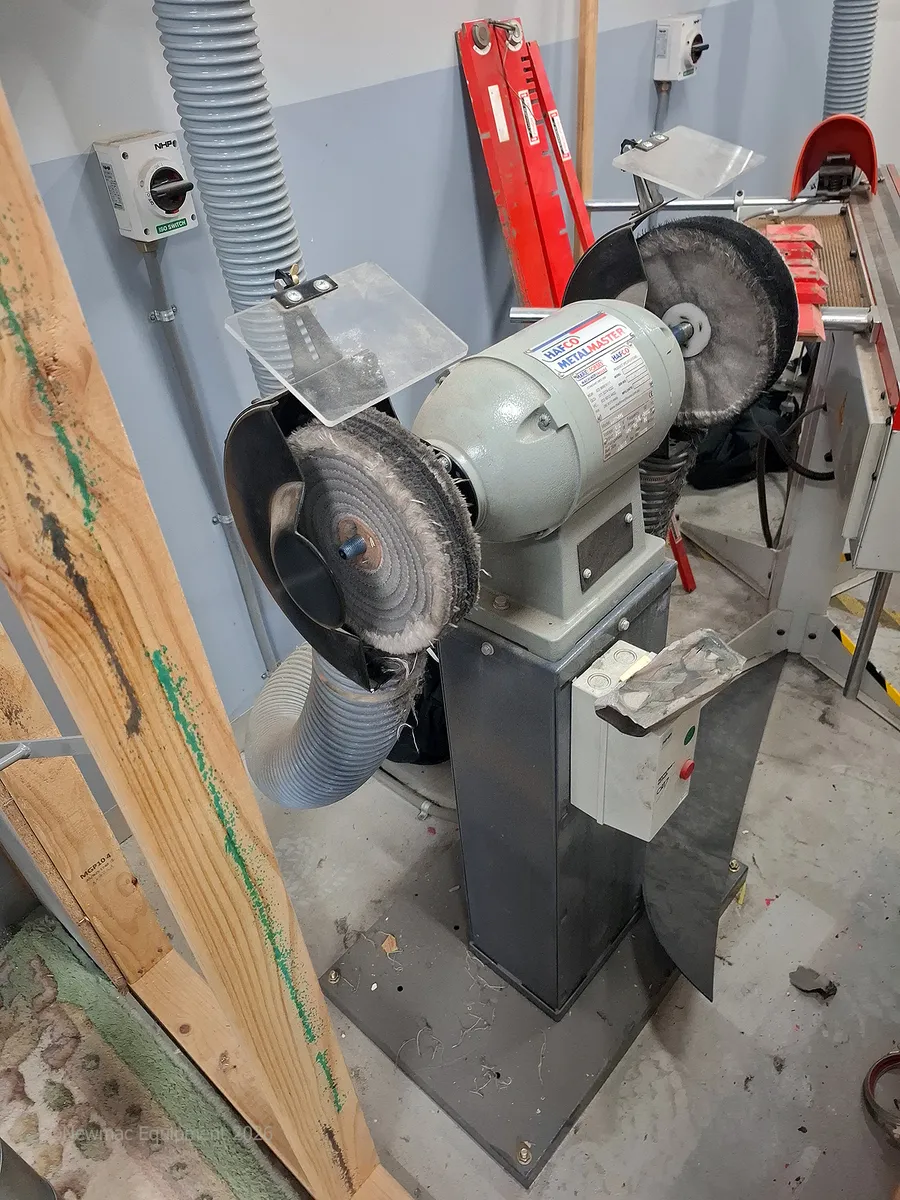
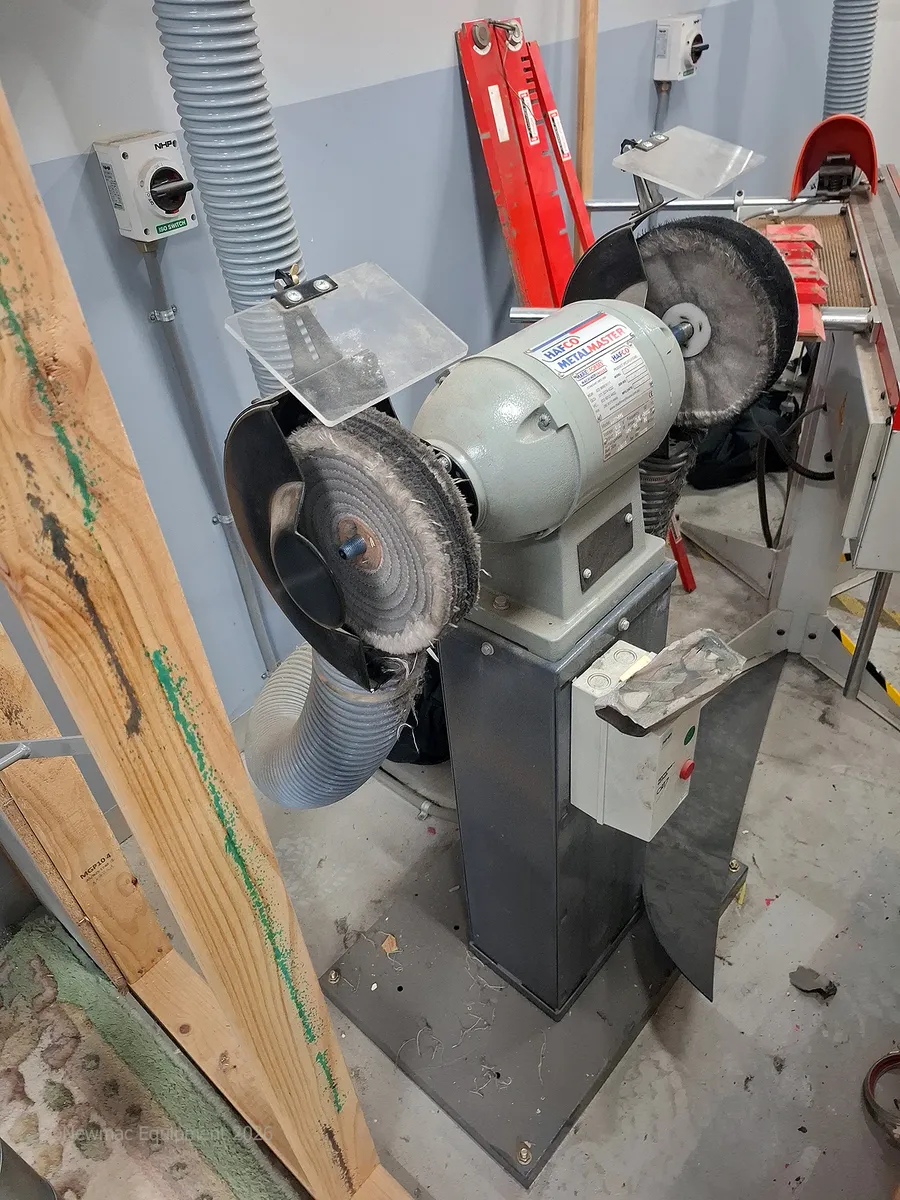
- Pedestal grinder
- Pedestal buffing machine
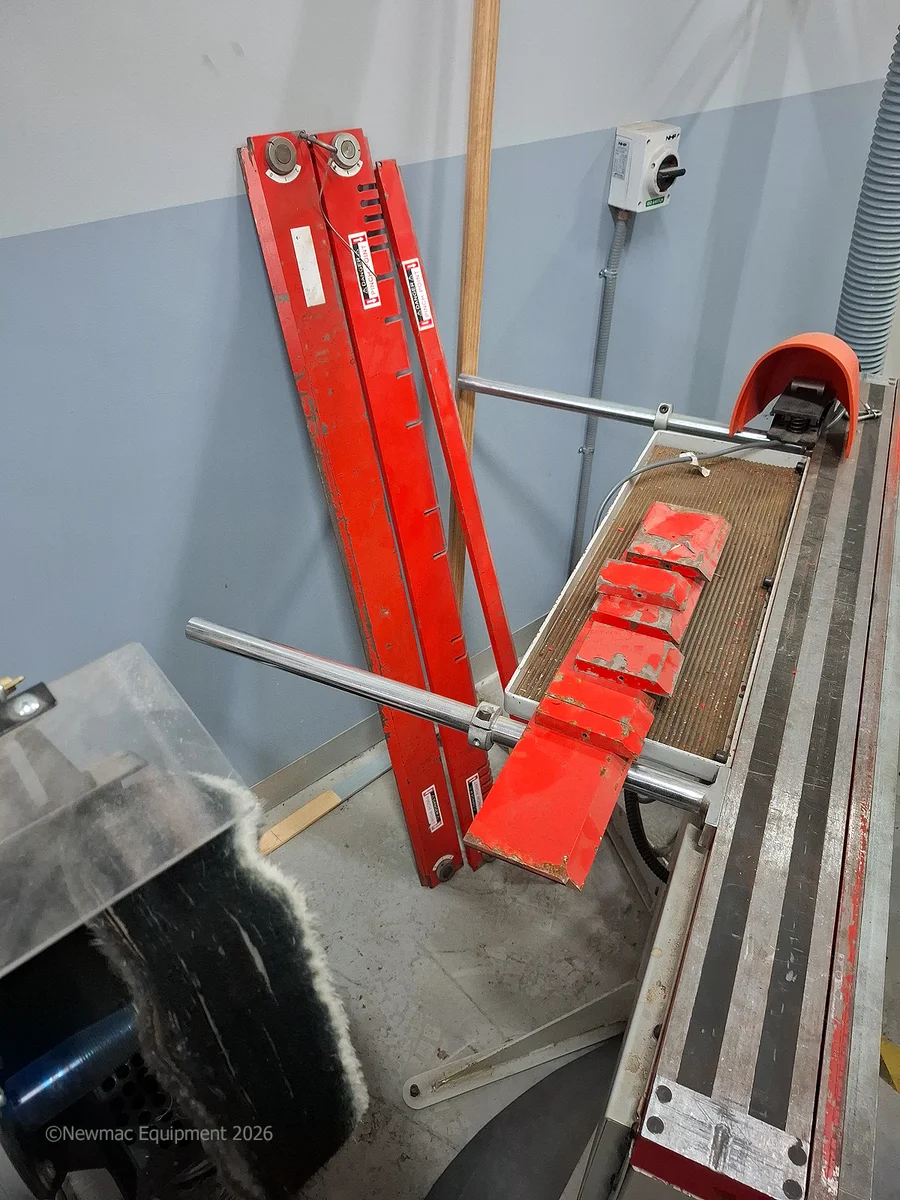
- Magnetic folding machine
- Linishing machine
- Plate rolling machine
- Tecna 90 Mark 2 spot welding machine
- Tool cabinet
All of this gear has been running in a controlled workshop environment and is in near new condition, a step up from the typical used machinery that comes through our doors.
Full listings with photos, specifications, and pricing will go live on our website shortly. If you’re after a lathe, mill, or general workshop equipment and want first look before these go live, get in touch on 03 9720 3922 or sales@newmac.com.au.
Newmac Equipment, 10 Stephenson Rd, Bayswater North VIC 3153. Open for inspections during business hours.
Slide show below can be paused by hovering the mouse cursor over the current photo. It will resume when the cursor is moved off the photo.
Levelling and foundation basics — why it matters more than people think
A machine can be in excellent mechanical condition and still produce poor results if it isn’t sitting level. Levelling isn’t a cosmetic step — it affects accuracy, wear, and how the machine performs day to day.
Why level matters
Machine beds, columns, and slideways are built and scraped or ground to work correctly when the machine is sitting flat and true. If a machine is out of level, even slightly, the bed can twist. On a lathe this can throw out parallelism between the headstock and tailstock, leading to tapered work when you’re expecting a straight turn. On a mill, an out-of-level bed can affect squareness between the table and spindle. The machine hasn’t lost accuracy — it’s just not sitting the way it was built to sit.
Uneven weight distribution
A machine that rocks or bears unevenly across its feet puts more load through some points than others. Over time this uneven loading accelerates wear in the ways and bearings that are carrying more than their share. A machine levelled and supported correctly wears evenly, which is a big part of why some machines stay accurate for decades and others don’t.
Vibration
An unlevel or poorly supported machine is also more prone to vibration during operation, which shows up as chatter on the finish and, over time, extra wear on moving parts. Getting the machine sitting solid and level from day one reduces this.
Getting it right on installation
Levelling is normally done with a precision spirit level or machinist’s level, checked along the bed and across it, with adjustments made at the mounting feet or levelling bolts. On larger machines this is sometimes done in conjunction with the foundation itself, particularly where a machine is bolted down or grouted in.
This is also where good positioning at the freight and installation stage pays off. A concrete floor that looks flat to the eye can still have enough variation to throw a machine out, so it’s worth checking the floor itself before the machine goes down permanently. Getting levelling right at installation saves having to chase accuracy problems later that actually trace back to the floor, not the machine.
The bottom line
Levelling is one of those steps that’s easy to skip and hard to notice until accuracy problems show up. A few minutes with a level at installation is a small job compared to diagnosing a “fault” months later that was never actually in the machine.
03-07-2026
Machinery care and what to check before you buy secondhand
Buying a used machine tool isn’t like buying new — you’re assessing condition and history, not just reading a spec sheet. Here’s what to check to buy with confidence.
Spindle condition
Check spindle play on a lathe. Using a timber lever rather than a metal one to avoid damaging anything. Position the lever on the bed under the chuck and gently lift, measuring movement with a dial indicator — a small amount of movement is normal. Listen for noise at running speed; a smooth, consistent sound is what you’re after.
Bed and slideways
Run a hand along the bed ways and check for even wear across the travel of the carriage. Slideways are precision ground surfaces, so it pays to know what good condition looks like. Clean them with a lint-free rag and the correct way oil — avoid compressed air or a pressure washer, as these can push contaminants into the ways and lubrication points rather than clear them.
Backlash
Some backlash in the leadscrew or crossfeed is normal and can generally be adjusted out. It’s worth checking how much play there is before the tool engages, so you know what you’re working with.
Gib adjustment
Gibs control the fit between sliding components like the saddle, cross-slide, and top-slide. Properly adjusted gibs remove play without binding movement — a simple adjustment that’s worth checking on any machine.
Presentation and history
A machine that’s been kept clean, oiled, and covered tells you it’s been cared for. It’s a good indicator of how a machine has been used and maintained over its life.
The bottom line
Knowing what to check gives you confidence in your purchase. At Newmac, every used machine goes through this kind of inspection before it’s listed — if we find anything, we’re upfront about it in our adverts. Where there’s excessive wear, we’ll say so and adjust pricing accordingly.
19-06-2026
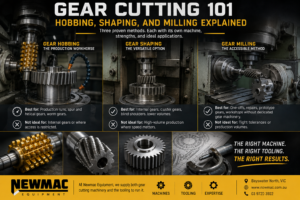
Gear Cutting 101
04-06-2026
3 Phase Power & Plug Connections — What You Need to Know

If you’ve purchased or are considering purchasing a 3 phase machine, one of the most common questions we get asked is: “Does it come with a plug?” Generally speaking, the answer is no — and here’s why.
How 3 Phase Machinery Is Disconnected
When industrial machinery is decommissioned from a factory or workshop, it is typically disconnected directly from a switchboard by an electrician. This means the machine leaves its previous home without a plug fitted, and in some cases the cable itself may also be absent. This is simply how the process works at an industrial level — it has nothing to do with the age or condition of the machine.
What This Means When You Buy Second Hand
As a machinery dealer, we are not electricians and are unable to supply or fit plugs. What we can tell you is that this situation is no different to buying a brand new 3 phase machine. New machinery purchased through any supplier or manufacturer also arrives requiring a licensed electrician for installation and connection. Second hand or new, 3 phase machinery requires a professional to get it running safely and legally.
If you don’t already have a relationship with an electrician, it’s worth organising one before your machine arrives. Connection is usually straightforward for a qualified tradesperson, and having it sorted in advance means no delays getting your equipment up and running.
When a Plug Is Already Fitted
On occasion, a machine will come into our inventory with a plug already fitted — perhaps from a smaller workshop setting where it was connected that way originally. In those cases, the plug stays with the machine. For the same reason we don’t fit plugs, we don’t remove them either.
The Bottom Line
3 phase connection is a licensed electrical job — full stop. Plan for it, budget for it, and you’ll have no surprises when your machine arrives.
29-05-2026
Old vs Modern Engineering – 1950’s Gleason vs Modern CNC Gear Cutting

One of the more interesting machines we currently have in stock is a Gleason 12” Straight Bevel Gear Generator, originally built in the 1950’s.
For those unfamiliar with the name, Gleason has a massive place in engineering history. The company was founded in 1865 in Rochester, New York, and became one of the world leaders in gear manufacturing technology. In 1874, William Gleason invented one of the first successful bevel gear planers, helping revolutionise the way gears were manufactured. Over the decades Gleason machinery was used in industries ranging from automotive and mining through to aerospace and military production.
What makes these older machines fascinating is that they were built for precision, durability, and long service life. Many of them are still operating today, over 70 years after they were built.
Our Gleason 12” Straight Bevel Gear Generator was designed to cut straight bevel gears mechanically using change gears, cams, and precision engineering — all without CNC controls, computers, or digital automation. Yet these machines were capable of producing highly accurate gears for serious industrial applications.
Fast forward to today, and to perform the same type of work you would generally be looking at a modern CNC bevel gear cutting machine from manufacturers such as Gleason, Klingelnberg, or similar European/Japanese builders. Modern machines now feature:
Full CNC control
Multi-axis servo systems
Automatic setup
Digital gear correction
Integrated inspection systems
Automation capability
The interesting part is the cost comparison.
Our 1950’s Gleason 12” Straight Bevel Gear Generator is currently advertised for AU$12,000+GST
A modern CNC bevel gear generator capable of similar work can easily cost several hundred thousand dollars, and in many cases well over AU$1 million depending on size, automation, and capability.
That really puts into perspective just how much engineering value exists in some of these older machines.
Sometimes older machinery may not be the fastest option…
…but it is hard not to respect a machine that is still capable of doing its job properly after more than half a century.
What are your thoughts?
Would you rather own:
A heavy-duty mechanical machine from the 1950’s
or
A modern CNC gear cutting centre?
Stock # 4226
Gleason 12” Straight Bevel Gear Generator
13-05-2026
What the Budget means for you. Businesses can claim an instant tax break for purchases under $20,000

There were a few things in the latest Federal Budget that are worth knowing about if you’re running a business or thinking about buying machinery.
The main one is the continued instant asset write-off. In plain terms, it means if you’re eligible, you may be able to claim equipment purchases straight away at tax time instead of spreading it out over a number of years. That can make a real difference when you’re looking at upgrading gear or adding to your workshop, especially from a cash flow point of view.
There are also some small tax cuts and cost-of-living changes coming through. Nothing dramatic, but it does help a bit with take-home pay and general confidence, which often plays a role in whether businesses decide to invest or hold off.
On top of that, there’s still strong government spending going into infrastructure and defence projects. That generally means ongoing work for engineering, machining, and fabrication industries, which is a good sign for demand in the background.
Overall, it’s not a huge shift in the economy, but it does lean slightly in favour of people who are looking to invest in equipment and keep their business moving forward.
If you’re thinking about upgrading machinery or planning ahead, it’s probably a good time to start having those conversations.
24-04-2026
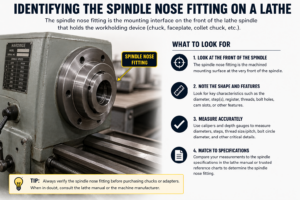
Ever wondered what spindle nose your lathe actually has?
Most people are familiar with the Camlock (D1) system, as it’s one of the more commonly seen setups on modern lathes. But there are several other spindle mounting systems out there.
You will still come across things like:
• Long taper (Type L) spindle noses (generally found on older lathes)
• Short taper with bayonet-style fixing
• A-type spindle mounts (A1 / A2 – bolt-on type)
All of these systems use a taper to locate the chuck or faceplate on the spindle. Where they differ is in how the mounting is pulled into the taper and secured in place.
Depending on the design, this may be done using a locking ring, cam pins, studs, or bolts.
The important thing to be aware of is that these systems are not interchangeable without the correct backplate or adaptor. Knowing exactly what spindle nose you have is critical when buying tooling or machinery.
We’ve put together a page that covers these less common spindle nose types. Click here for more details:
10-04-2026
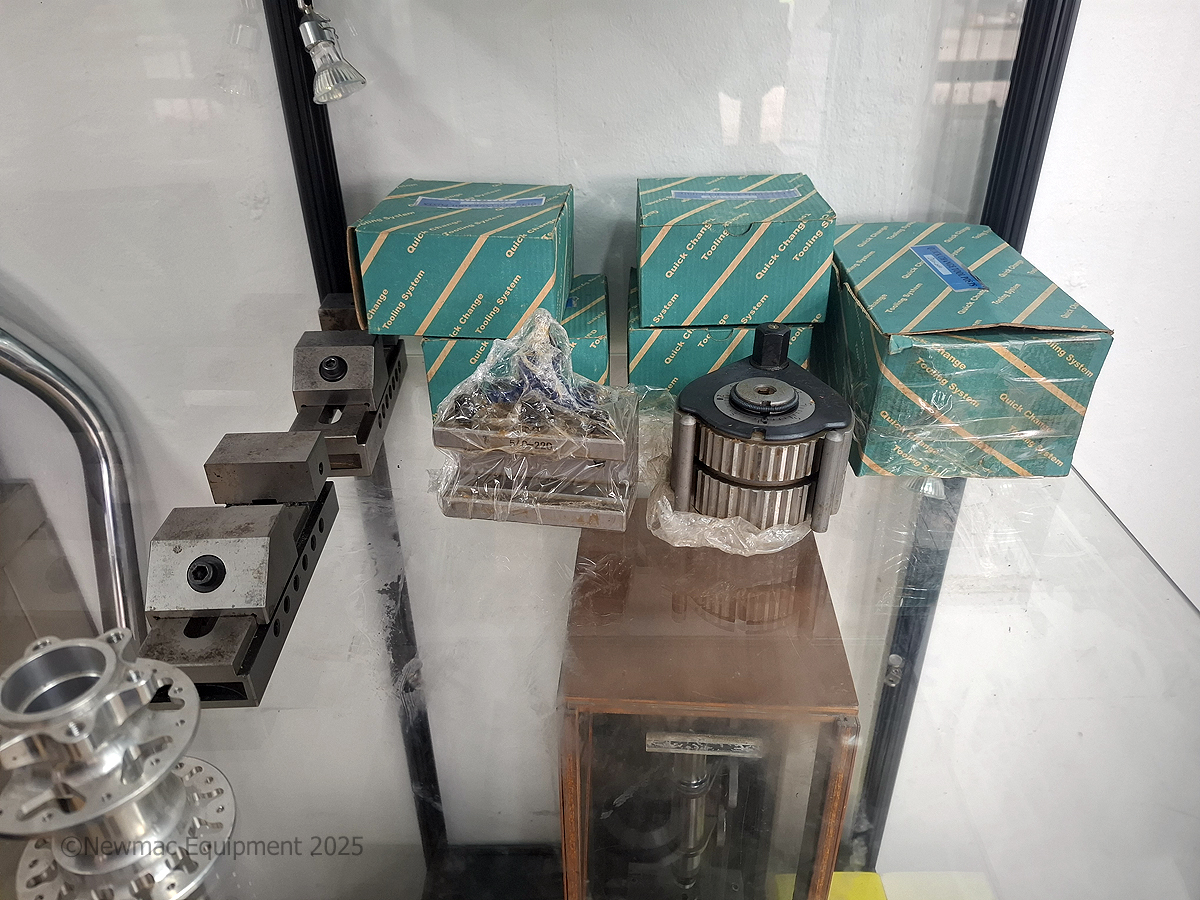
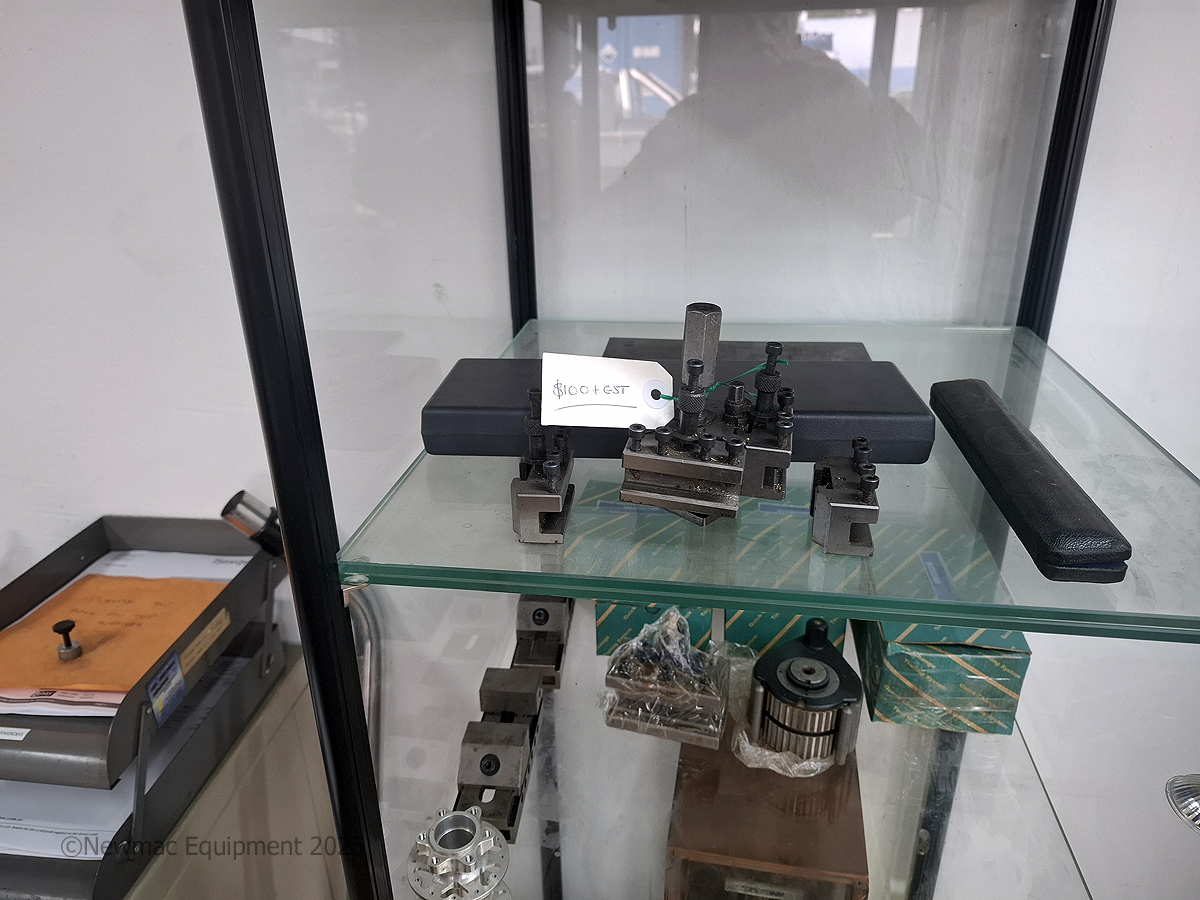
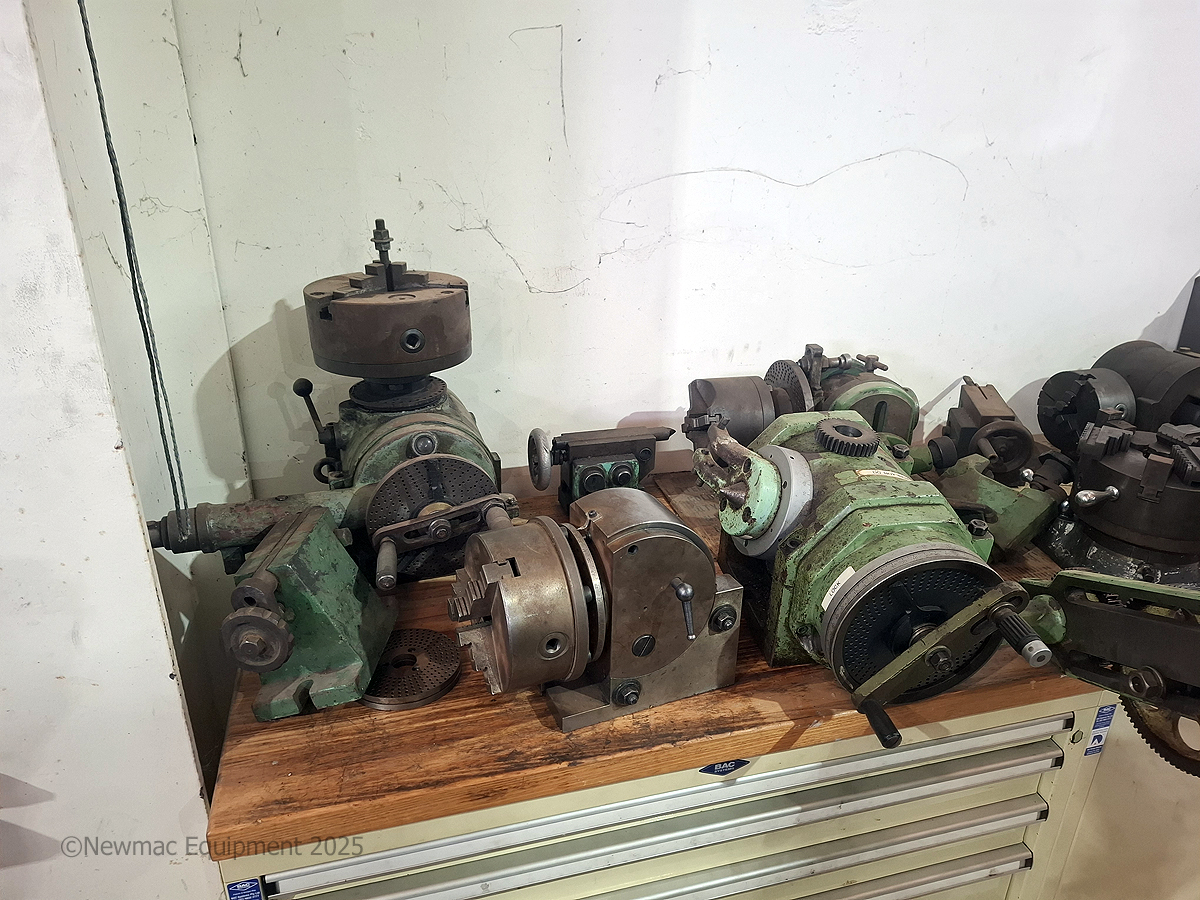
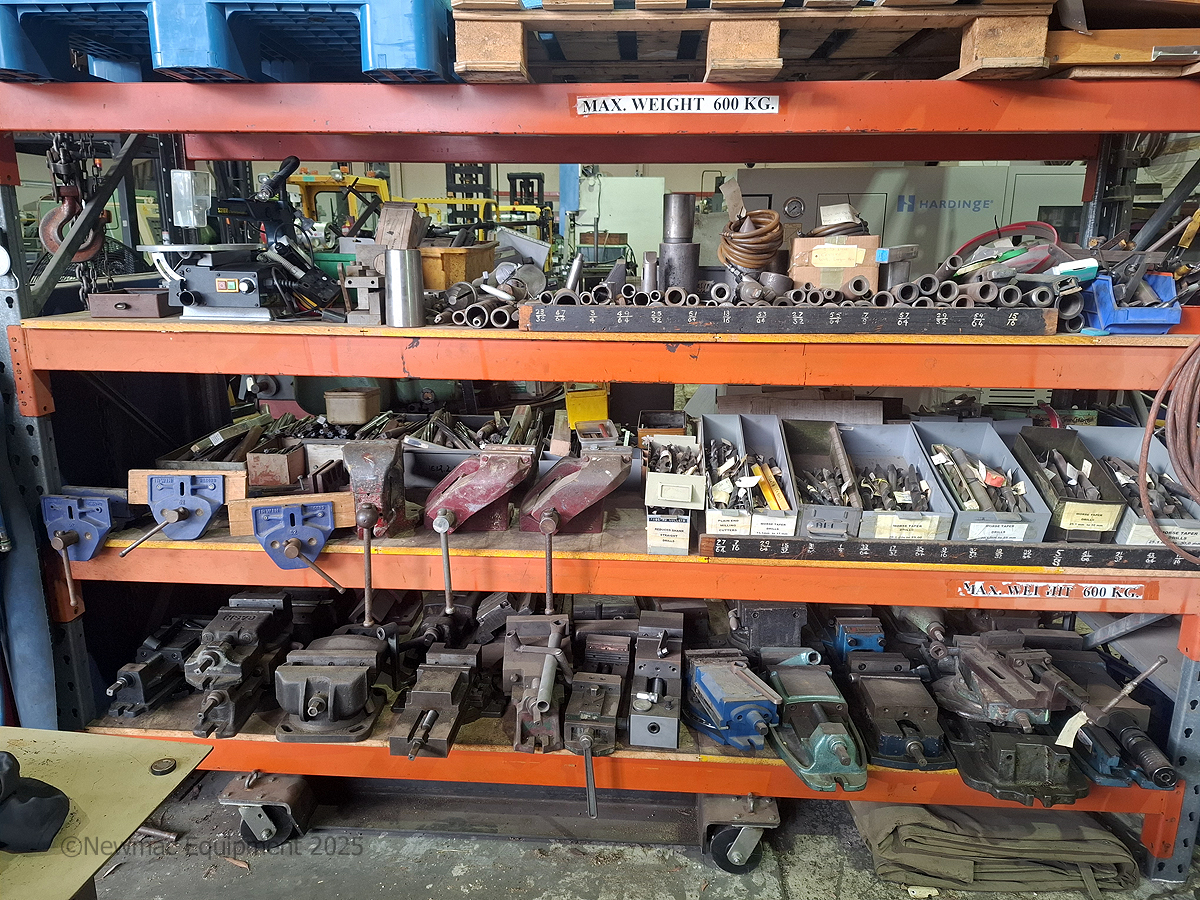
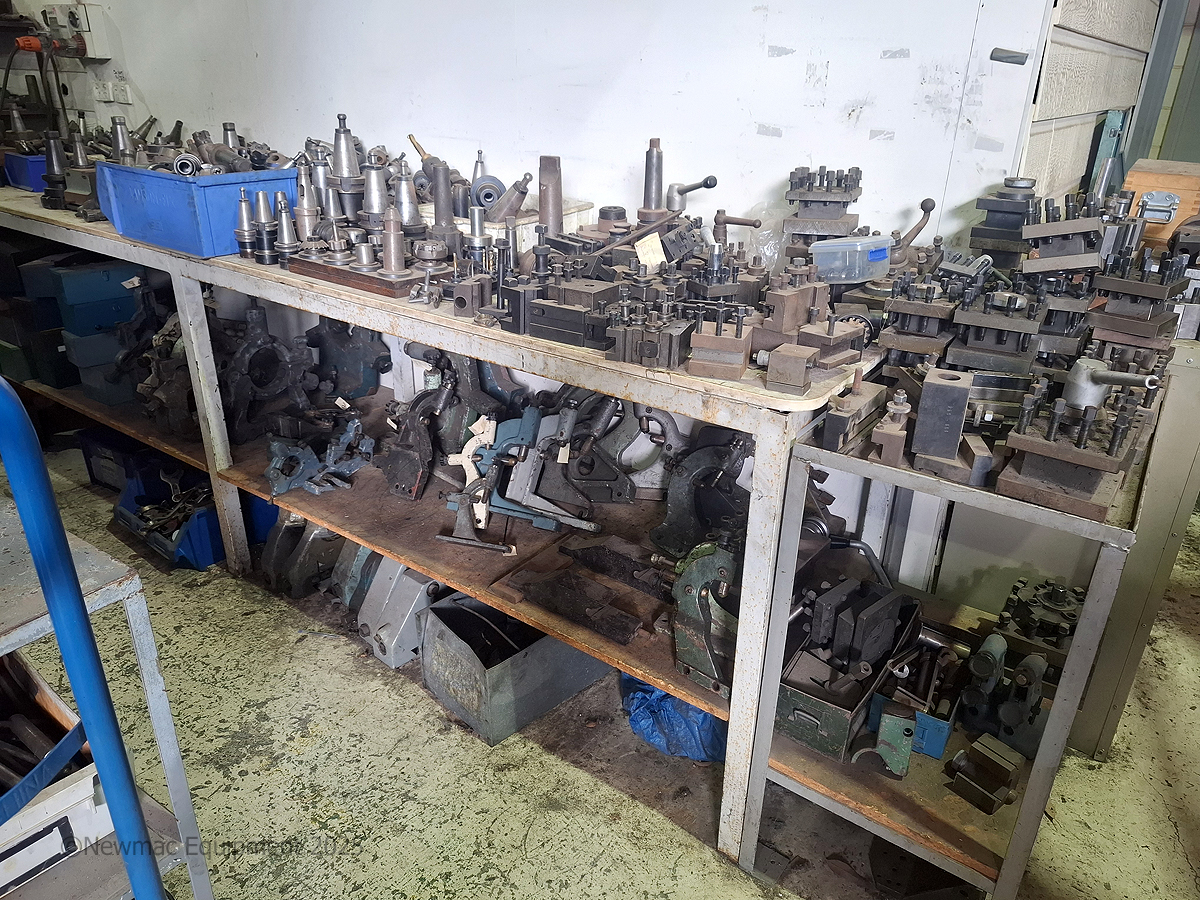
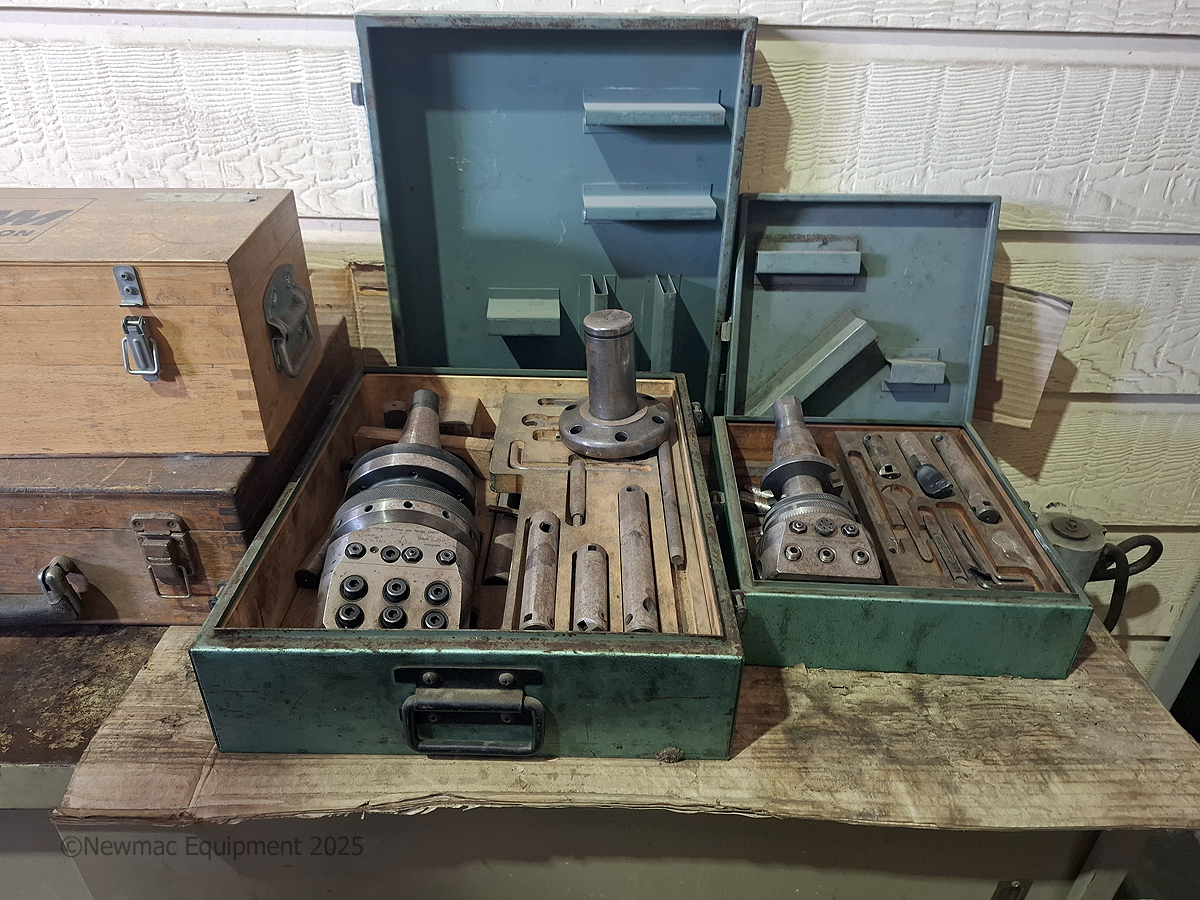
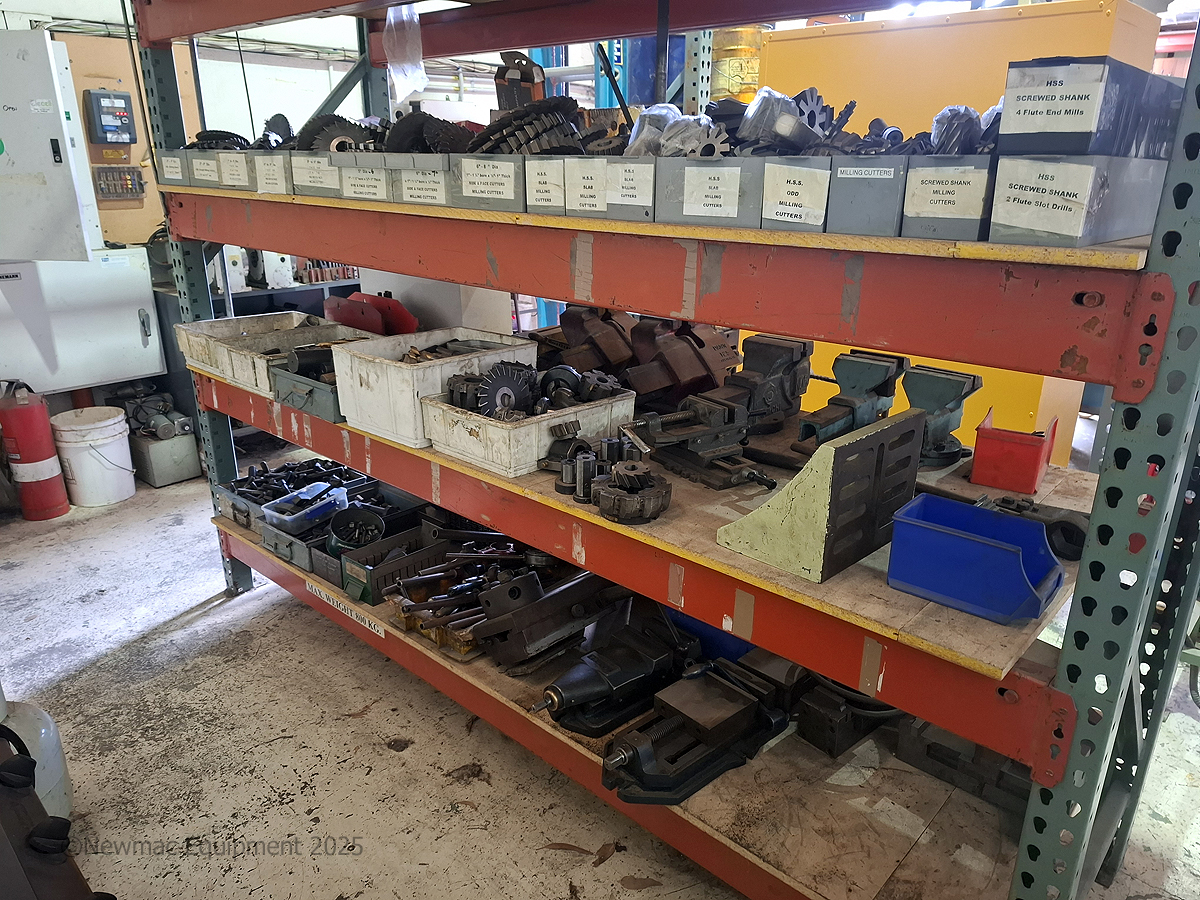
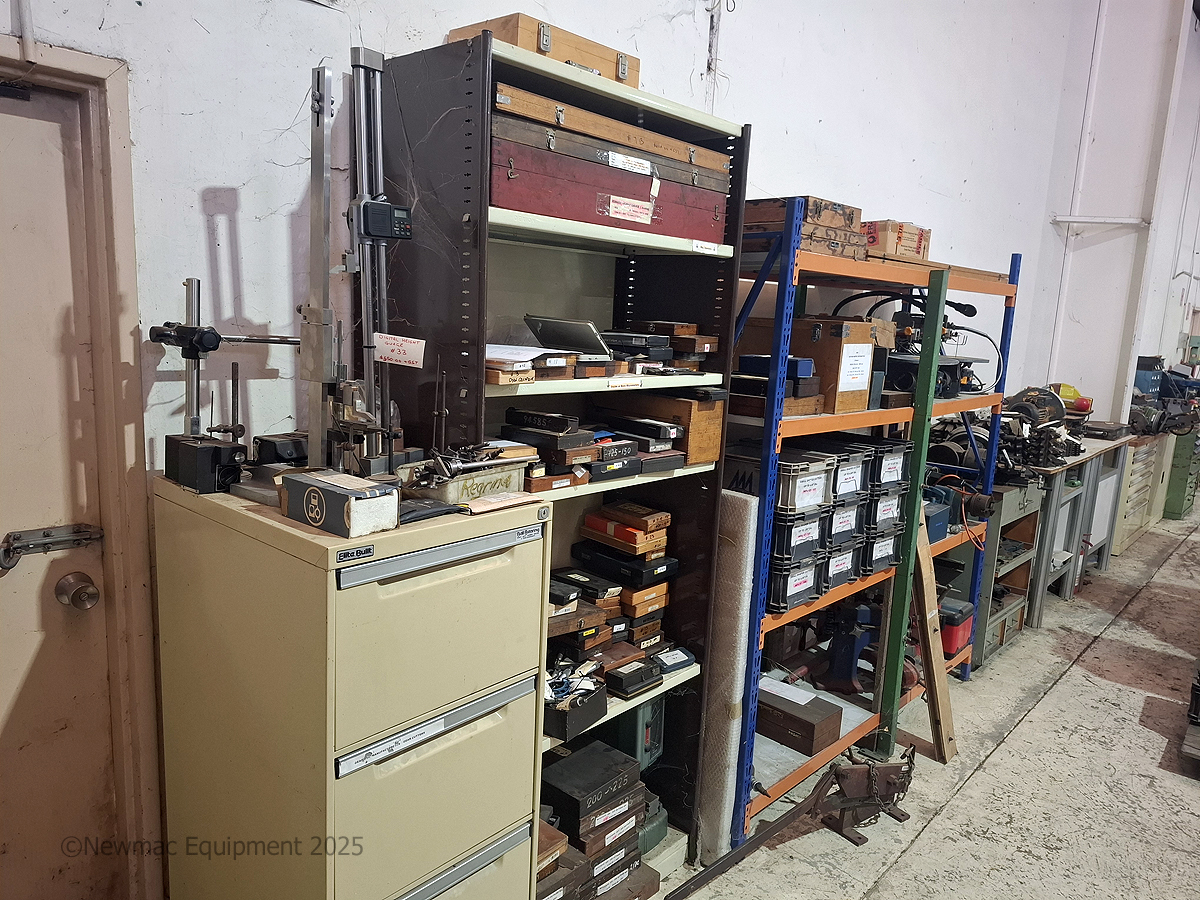
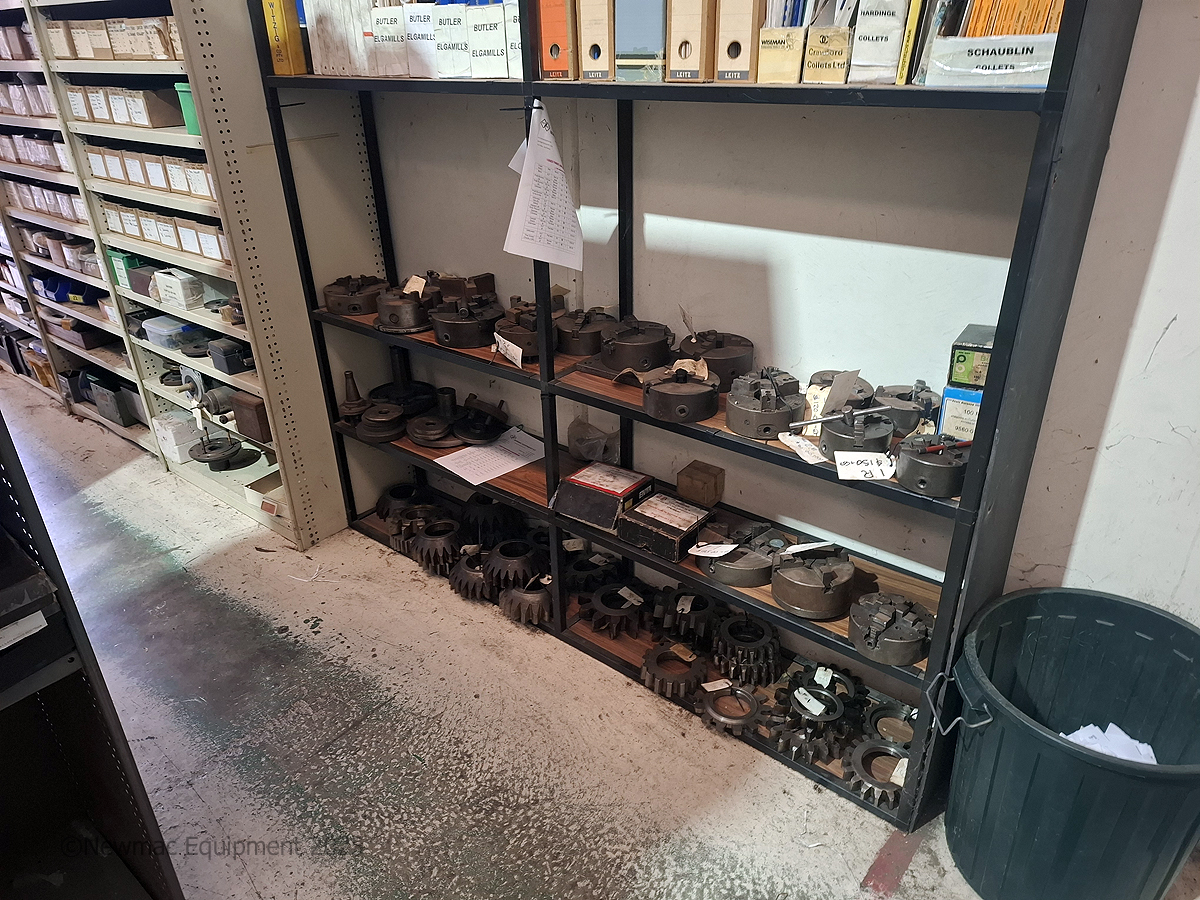
This week we’re focusing on smaller items — the sort of gear that doesn’t always get the spotlight but ends up being used every day.
Things like:
• Dividing heads
• Bench tools
• Tooling and accessories
These are often the pieces that finish off a setup or make a job possible without tying up a larger machine.
We’ve currently got a range of smaller equipment and accessories available, most in good working order and ready to go straight into use.
If you’ve been meaning to fill a gap in your workshop or pick up something practical without spending big money, it’s worth having a look.
As always, you’re welcome to drop in during business hours.
We buy and sell used engineering machinery and can assist with inspections and freight Australia-wide if required.
27-03-2026
When Global Supply Is Uncertain, Options Matter.
20-03-2026
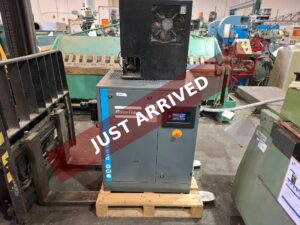
This week we’re highlighting a new arrival – Atlas Copco GA15 VSD Screw Air Compressor (2020)
We’ve just taken delivery of a very tidy, late-model Atlas Copco GA15 VSD air compressor – a good example of a quality unit that hasn’t seen a lot of use.
With only 2,363 hours from new (averaging just over 8 hours per week), this machine presents in excellent condition and is ready to go straight into service.
The Variable Speed Drive (VSD) system automatically adjusts output to match demand, helping reduce power consumption compared with fixed-speed units. Ideal for workshops looking to improve efficiency without compromising on performance.
Key Details:
• 15 kW (20 HP) motor
• Approx. 2.45 m³/min @ 8.5 bar
• Quiet operation (~69 dB)
• Direct drive system
• Elektronikon controller
Fitted with:
• Air receiver
• Air dryer
A compact, reliable setup suited to engineering workshops, fabrication, or general industrial use.
For further details and pricing, please get in touch.
27-02-2026
It’s been a busy and varied week here at Newmac Equipment.
We’ve seen strong interest in woodworking machinery, with a couple of those machines now sold and heading off to their new workshops.
To assist one customer and save them travelling to inspect in person, we filmed and posted a video of the machine running. We’re not woodworking specialists, but we managed to muddle through and provide what was needed. The video gave them the confidence to proceed.
The finishing touches have also been completed on a Colchester centre lathe, including the fitting of a new DRO system prior to dispatch. It’s always satisfying to see a good machine leave here ready to go straight into service.
An ESAB TIG welder has also found a new home this week.
At the same time, new stock continues to arrive — including a 3.2 metre x 120 tonne Durma press brake which has just come in.
Machines going out, machines coming in — that’s how we like it.
If you’re looking to buy, sell, or upgrade workshop equipment, feel free to get in touch.
20-02-2026
Buying your first used machine? Start here.
If you’re buying your first used machine, it can feel overwhelming. There’s plenty of advice out there, and not all of it is useful.
Here are a few practical things worth focusing on.
What matters
-
Whether the machine suits the work you actually do (not just what you might do one day)
-
Power requirements and whether your workshop can supply it
-
Size, weight, and how the machine will be moved into position
-
Overall condition and how the machine has been used
What doesn’t matter as much as people think
-
Age on its own
-
Fresh paint or cosmetic appearance
-
Optional features you’re unlikely to use
A well-built older machine in sound condition will often outperform a newer machine that isn’t suited to the job.
What to ask and look for
-
Can the machine be seen running?
(Yes —we’re happy to demonstrate machines running.) -
What tooling or accessories are included?
(Anything included is listed and shown in the photos.) -
Are there any known issues or limitations?
(We normally include a PDF report on each listing outlining any known issues.) -
Can a freight quote be supplied?
(Yes — we’re happy to assist with freight quotes.)
Take your time, ask questions, and don’t be afraid to inspect in person. The right first machine should make your work easier, not create problems.
Inspections are always welcome during business hours.
13-02-2026
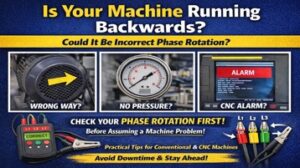
This week’s post is a bit left field, but it’s something that causes more confusion than it probably should.
Every so often we get a call from a customer who’s just installed a machine and it doesn’t seem to be behaving properly — motors running the wrong way, no hydraulic pressure, no coolant flow, or a CNC machine throwing an alarm that doesn’t really point to anything obvious. In a lot of cases, the machine is actually fine and the issue turns out to be incorrect phase rotation at the power supply.
To help save time, frustration, and unnecessary downtime, we’ve put together a short, practical guide on checking three-phase rotation. It applies to both conventional and CNC machines and explains what to look for before assuming there’s a fault with the machine itself.
Click here to download the procedure
06-02-2026
A quick update on our activities this week
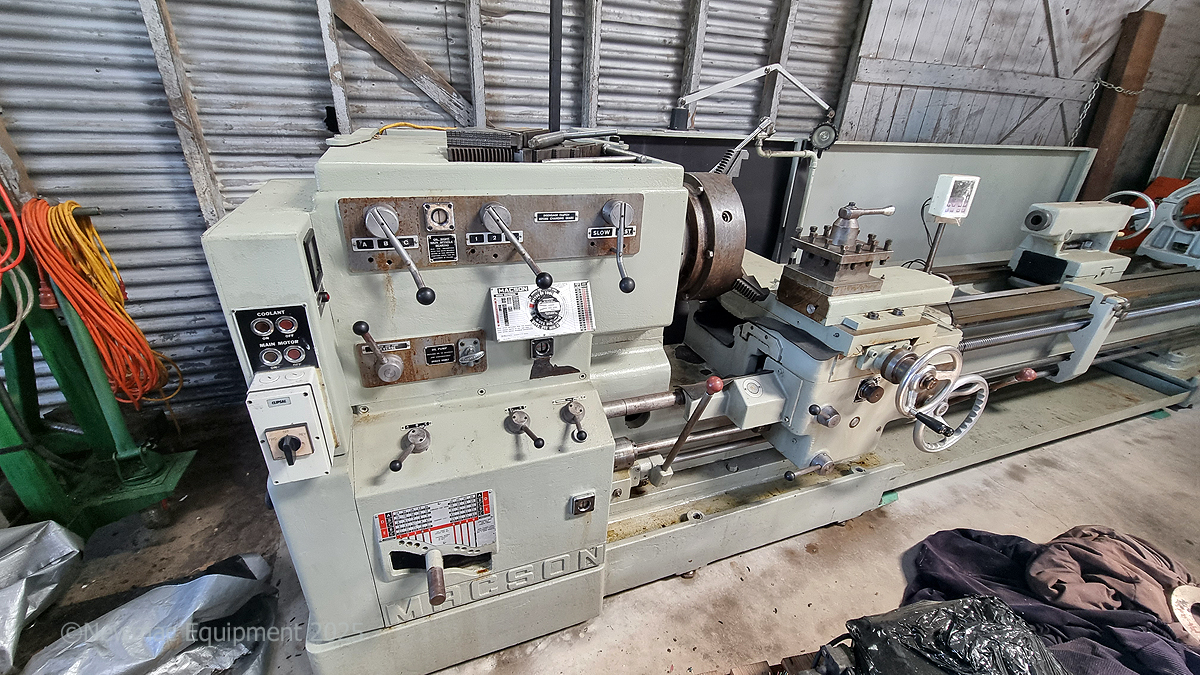
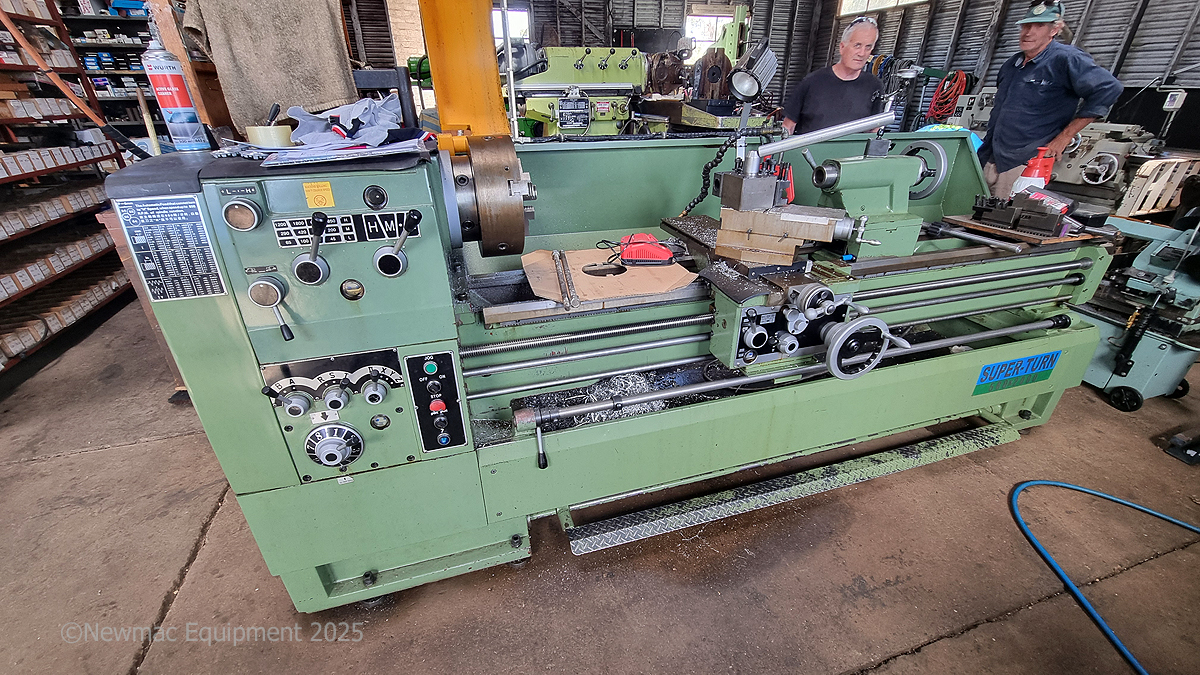
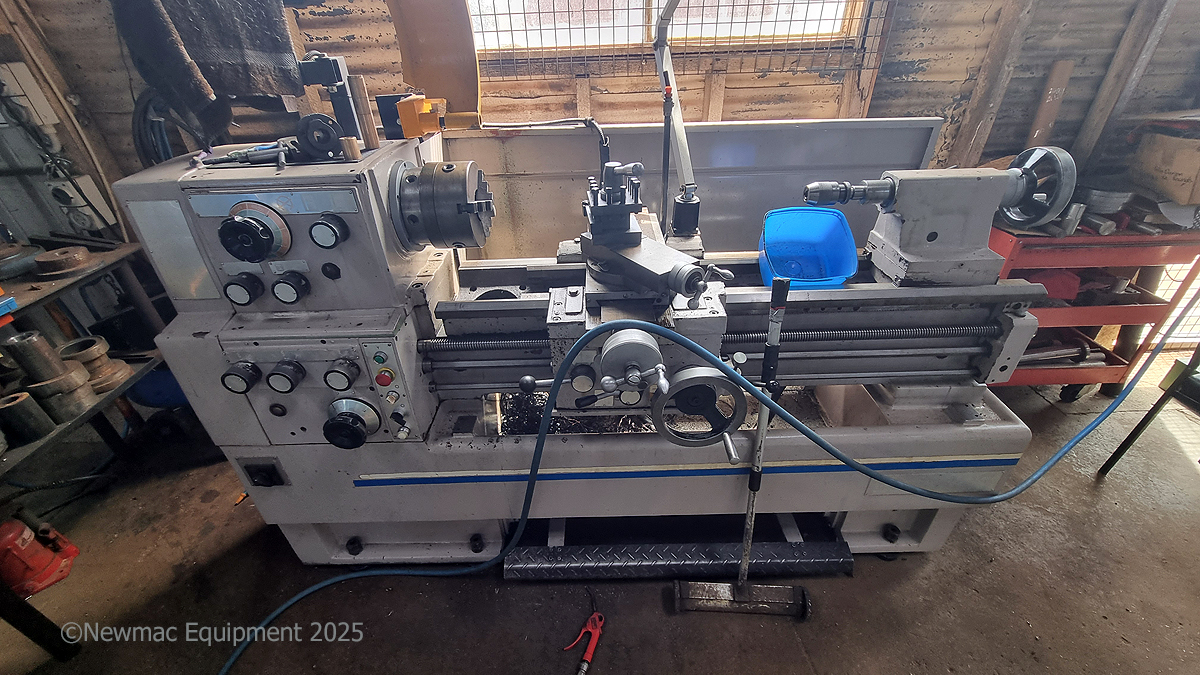
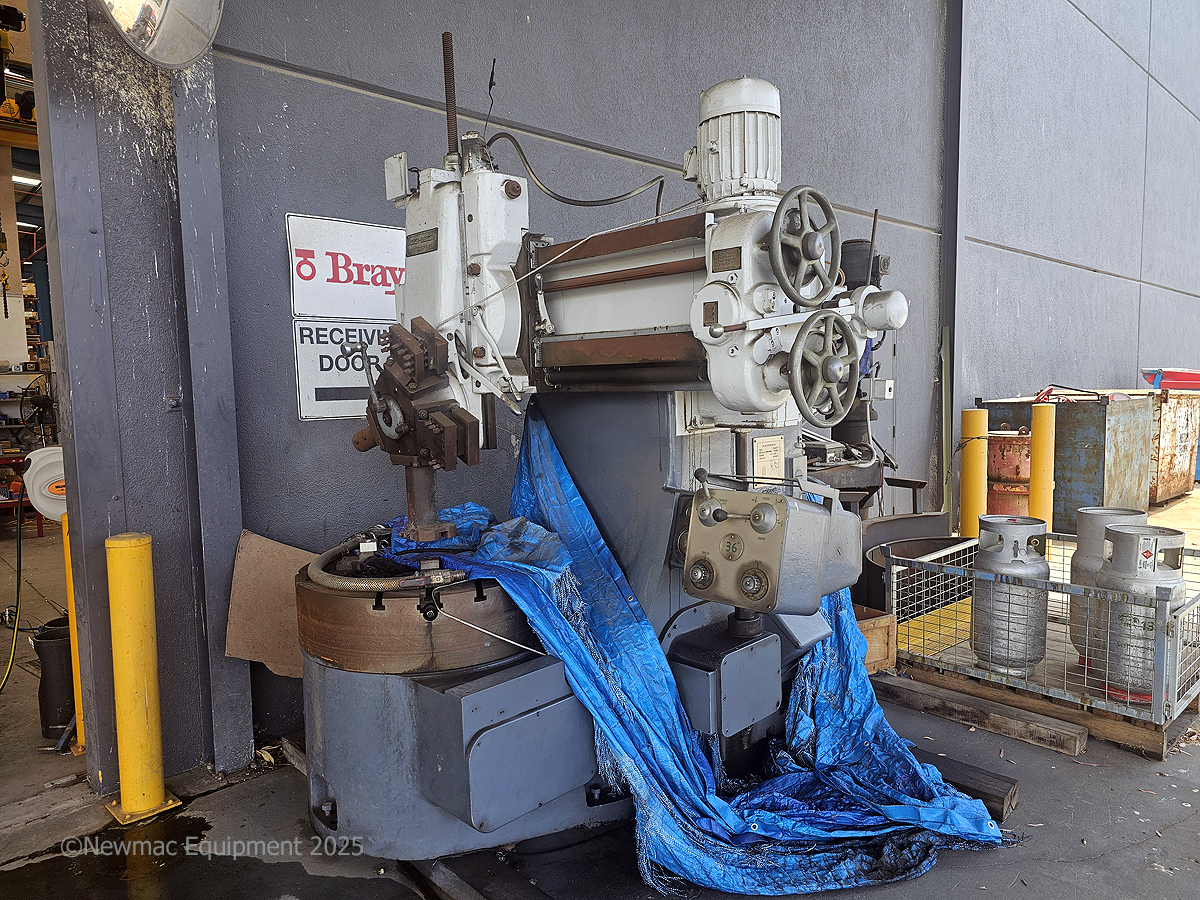
We regularly receive emails and phone calls from customers looking to sell machinery. In some cases, for practical reasons, we don’t purchase these machines straight away. This can be due to space constraints, the physical size or weight of the machine, or handling and transport considerations. Even so, we’re often still aware of these machines and can discuss them with interested buyers.
As a result, we’re currently aware of a number of machines that may be available, even though they’re not formally advertised or listed for sale at this stage.
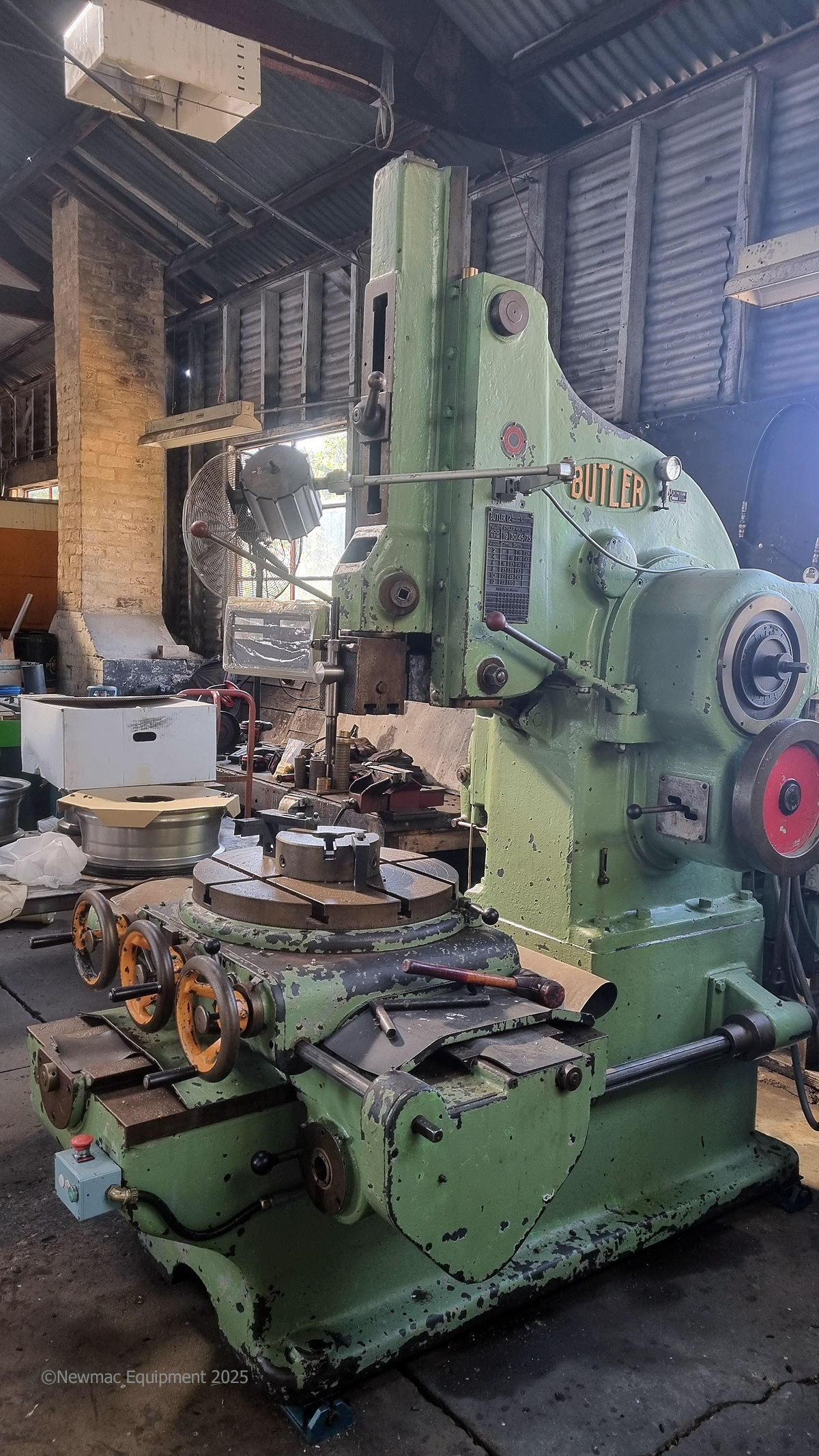
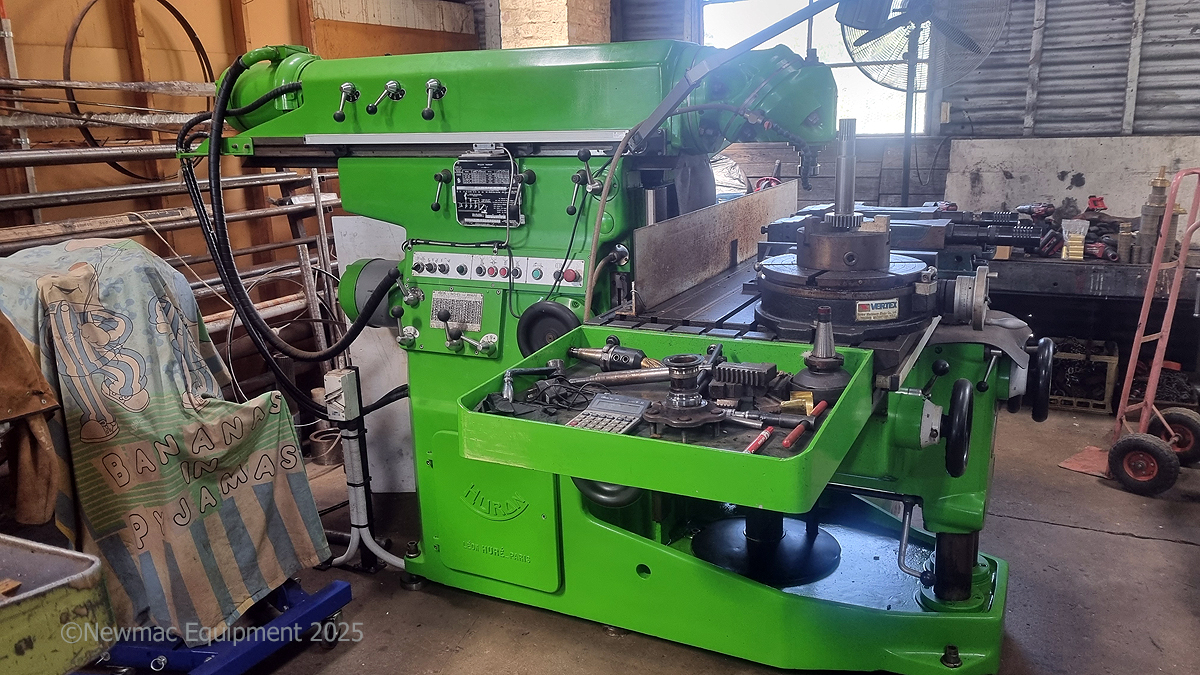
The photos below show a selection of machines we’re aware of and are being shared to gauge interest. If something catches your eye, let us know and we can provide further details, confirm availability, and discuss whether it may be suitable for your application.
Not all opportunities come through standard listings, and in many cases it’s enquiry that starts the conversation rather than a formal advertisement.
We buy and sell used engineering machinery and can assist with inspections and freight Australia-wide if required.
30-01-2026
A lot of what we do happens long before a machine is ever listed or talked about. There’s a fair bit of background work — checking, measuring, running machines, and thinking through the details — that most people never see, but it’s what makes the difference in the end.
This week has mostly been about doing those checks properly, answering the less obvious questions, and making sure customers have enough information to feel confident in their decision — not just a price and a spec sheet.
That means taking the time to run machines, inspect wear where it actually matters, and explain what we’re seeing in plain language. It also means sorting out the practical side early — power requirements, access, loading, and freight — so there are no surprises once things move ahead.
We’re always upfront about what we know and what we don’t. Used machinery isn’t new, and pretending otherwise doesn’t help anyone. Spending the extra time at the start usually saves time, cost, and frustration later on.
If you’re looking at used machinery and want clear, straightforward information rather than sales talk, you’re welcome to get in touch or drop in during business hours.
For anyone interested, we’re now also sharing a short weekly update on Facebook covering what we’ve been working on behind the scenes — please click here to take a look.